10 Plug-In Factory Automation Solutions for Sri Lankan Plants
Each station does one job well, built as a standalone module so you can start with the bottleneck, prove ROI, then add the next station. Designed, built, and supported in Sri Lanka by Cerox Engineering.
Start with the bottleneck. Add the rest later.
Sri Lankan manufacturers don't need to swallow a full production line all at once. Most plants have one workflow that's hurting today, labour shortage on labelling, quality slipping at vision inspection, slow pallet load-out at end of shift.
Cerox factory automation is built as modular plug-in stations. Each one solves one problem, drops into your existing line in days, and pays back within months. When the budget is ready for the next bottleneck, we add the next module.
No rip-and-replace. No factory shutdown. No multi-million capex commitment up front.
Tap any station for detail
Every station has its own page with components, specs, applications, and indicative range. Click through to see the engineering depth on each.
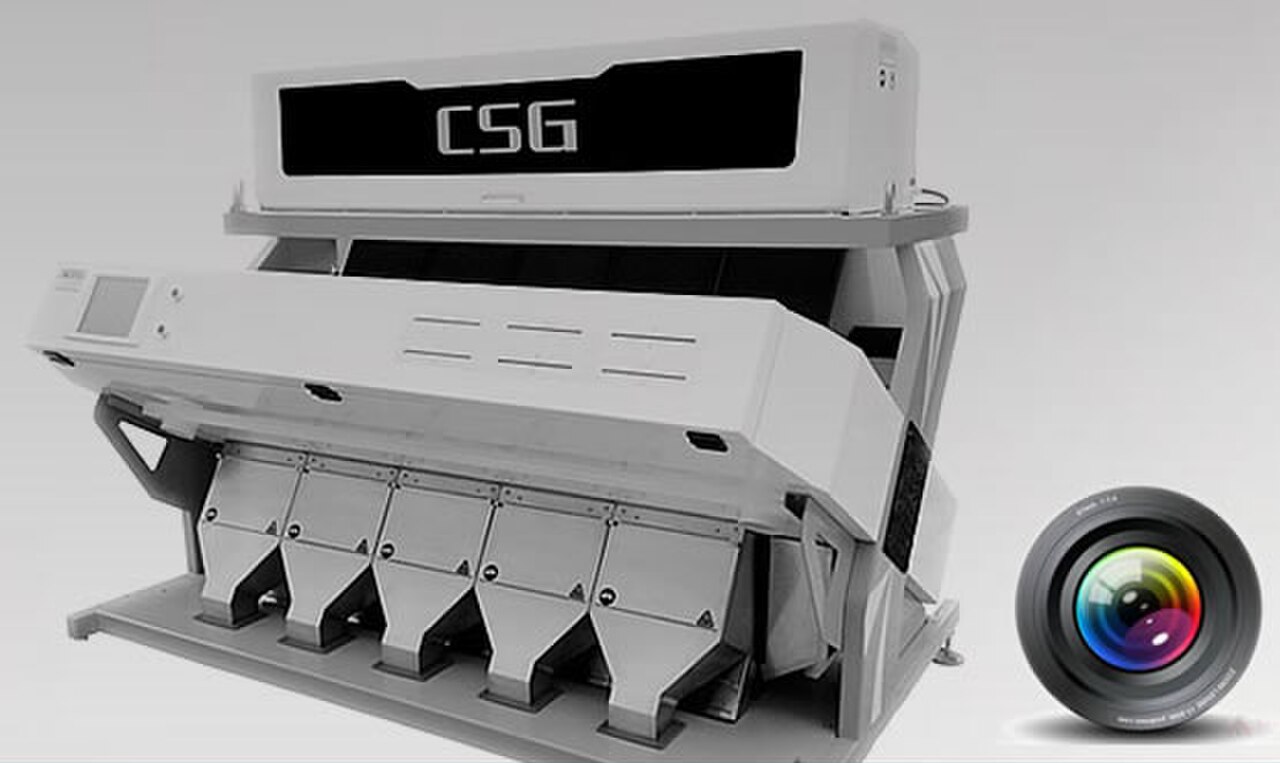
Vision Sorting System
Line-scan camera with air-jet ejectors removes off-spec product in milliseconds.
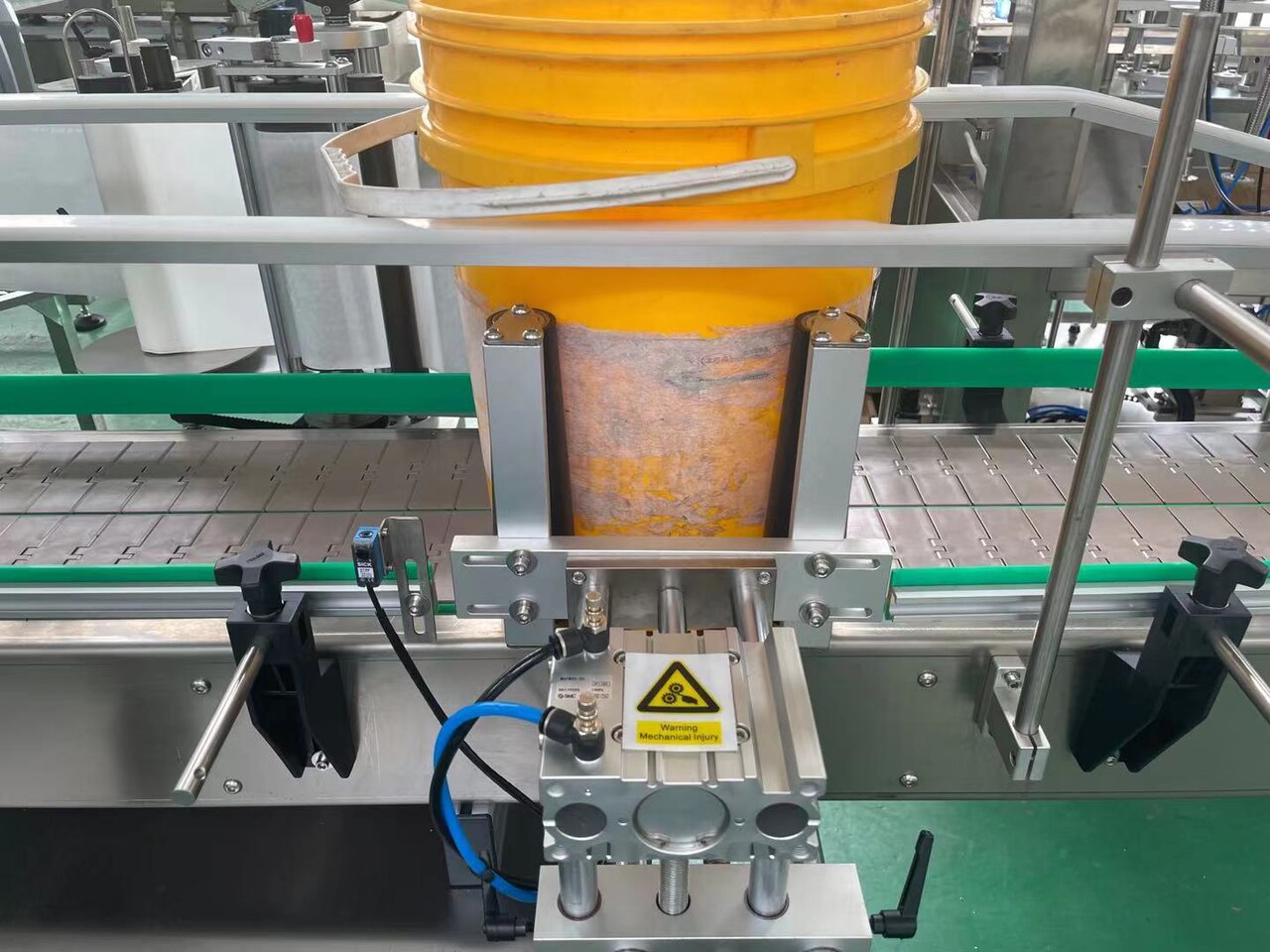
Auto Labelling Machine
Servo-driven applicator wipes a label onto every passing unit, sensor-triggered.
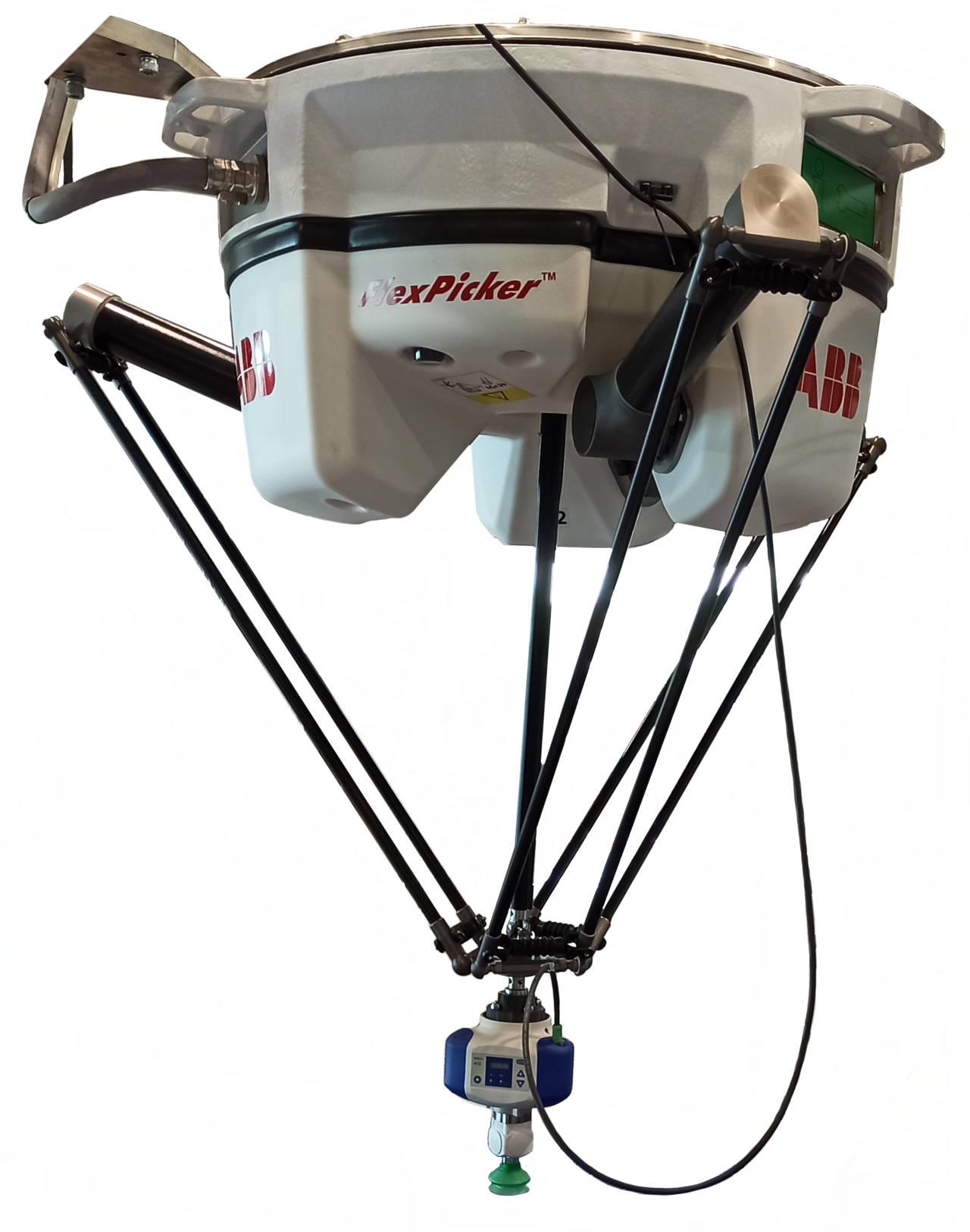
Delta Robot Pick & Place
High-speed parallel-arm robot picks items from a conveyor and places into trays at 60–150 picks/min.
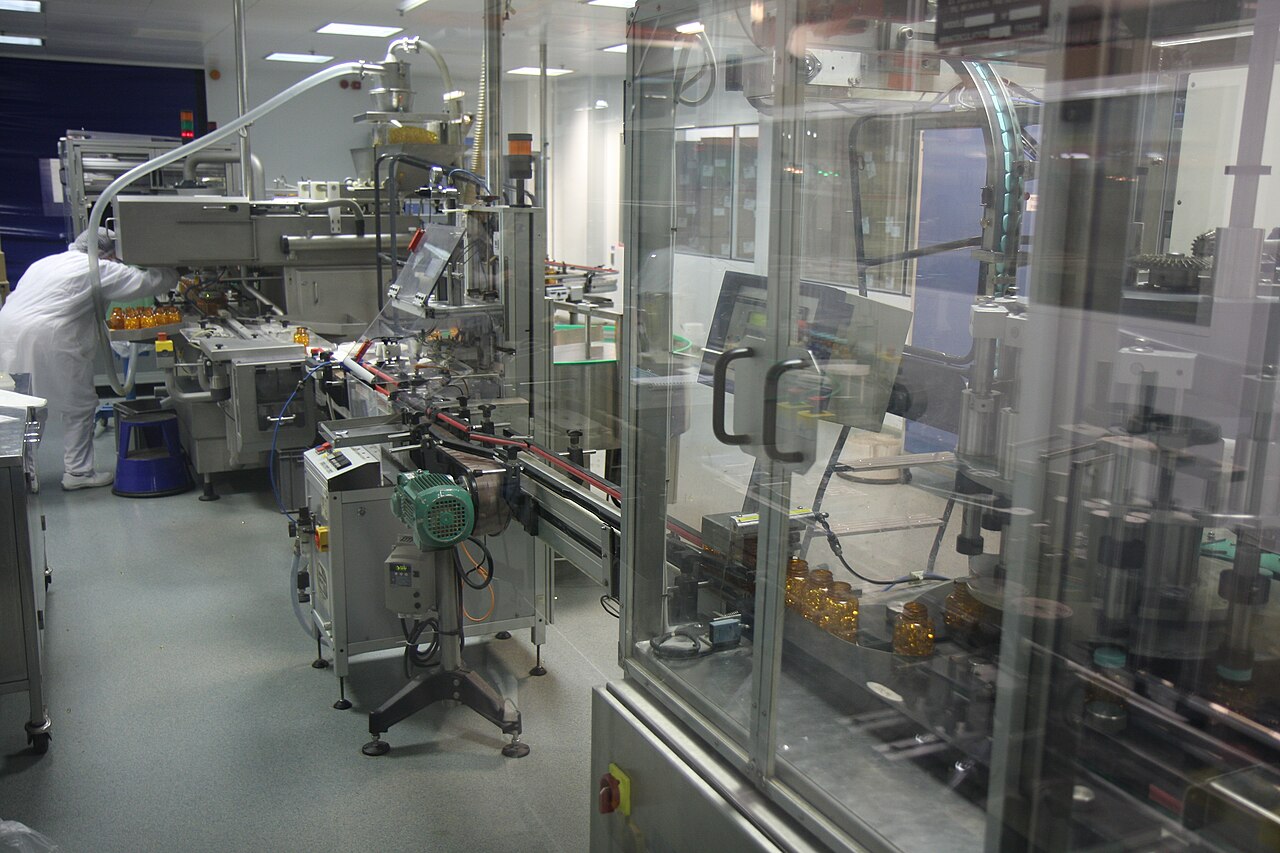
Filling & Counting Station
Counts units into bags or boxes (or fills by weight/volume) and auto-stops when the target is reached.
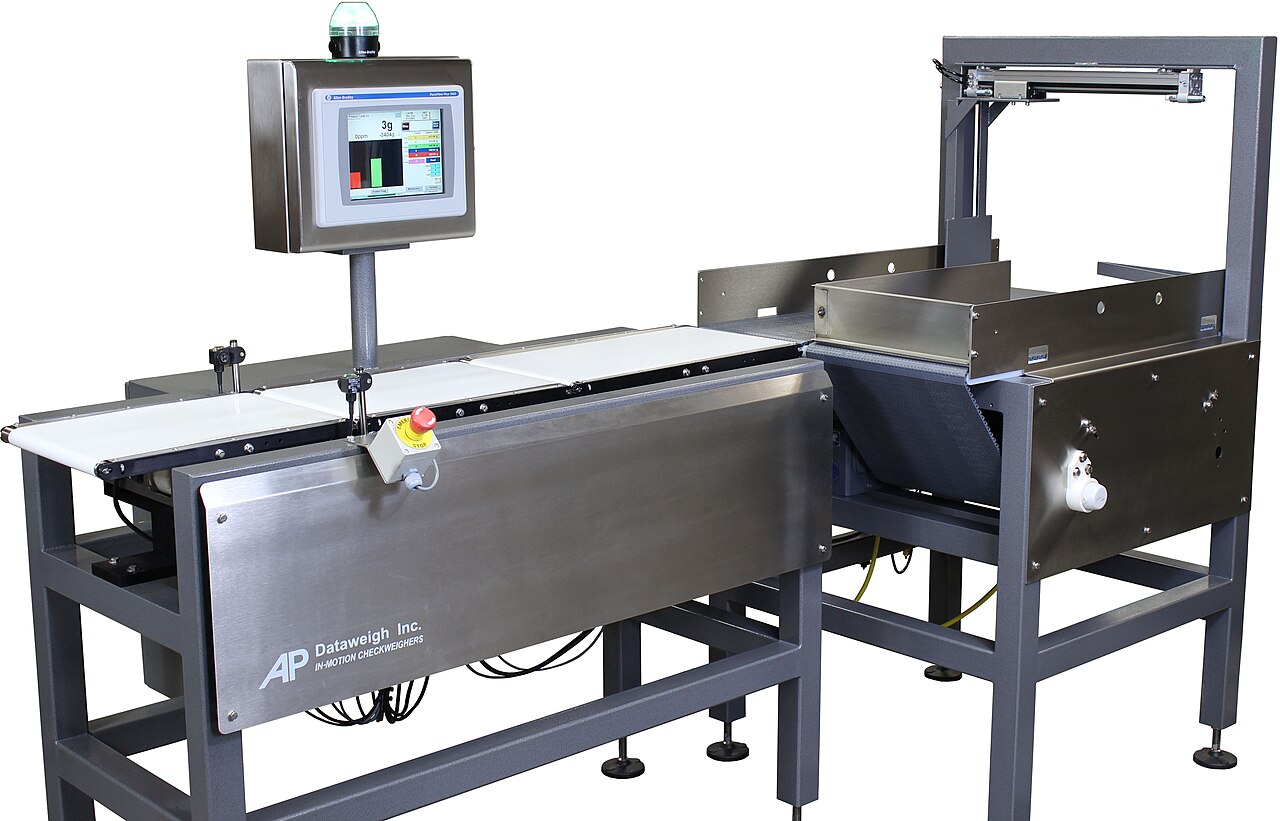
Weight Check & Reject (Checkweigher)
Inline checkweigher verifies fill weight on every unit at line speed and ejects fails.
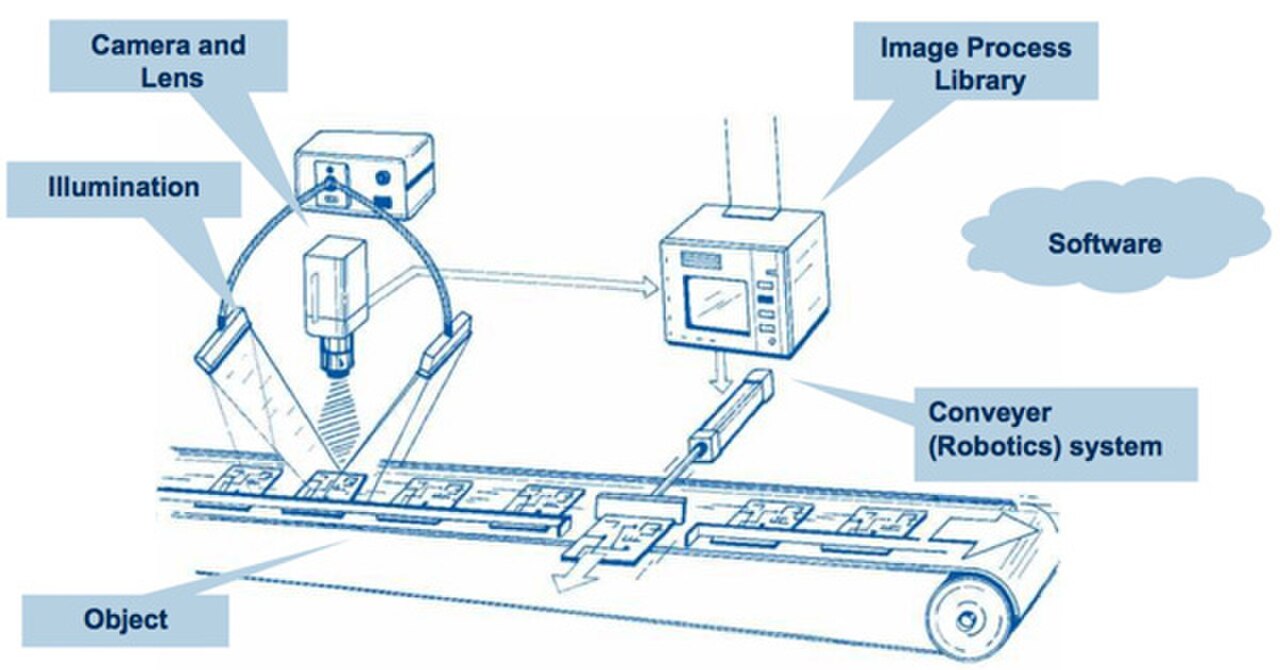
Vision Inspection Cell
Camera-and-PLC station verifies product against a reference image with pass/fail logging.
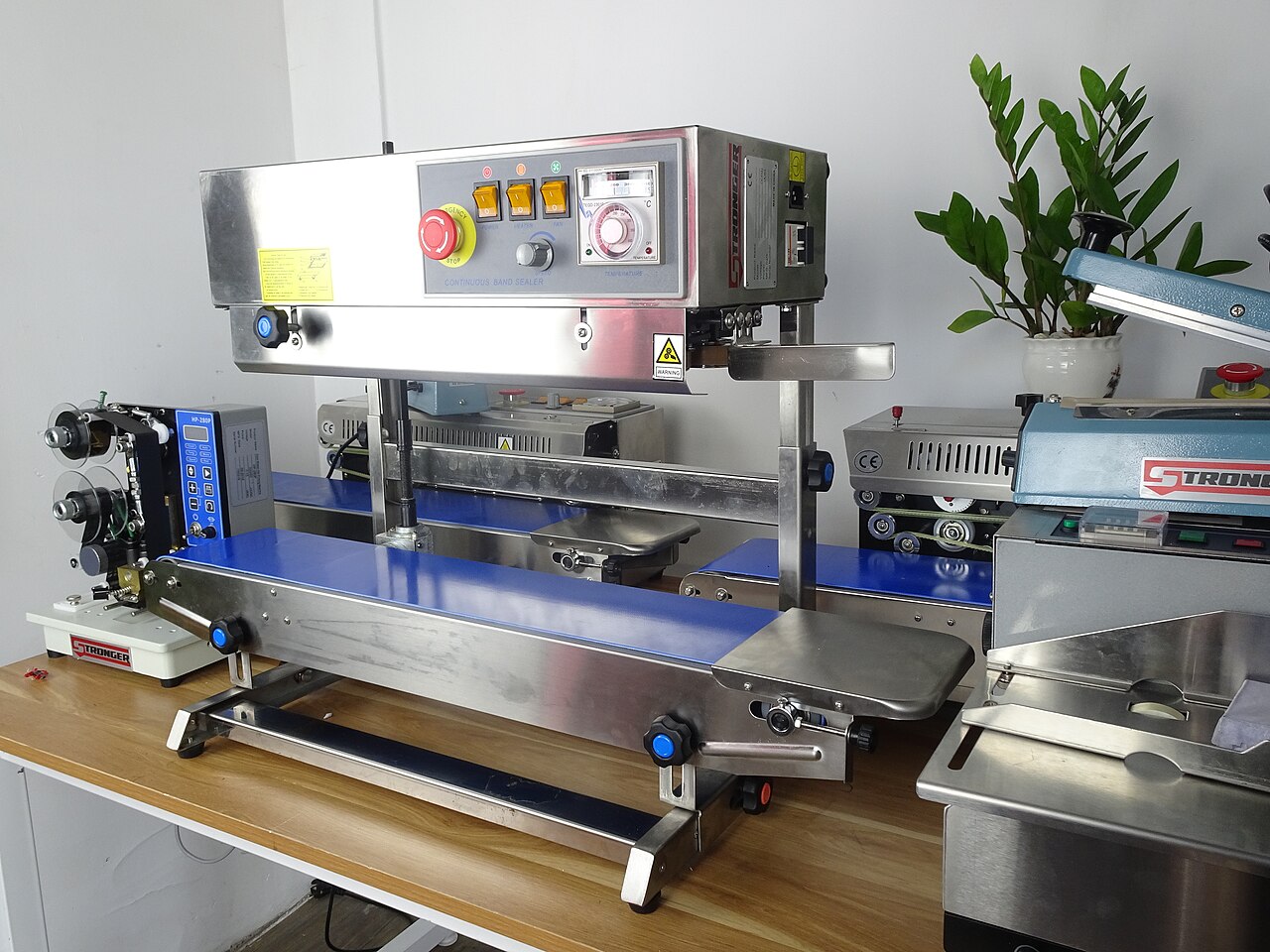
Pouch & Bag Sealer
Forms a clean, leak-proof seal on pre-formed pouches or bags, continuous or intermittent.
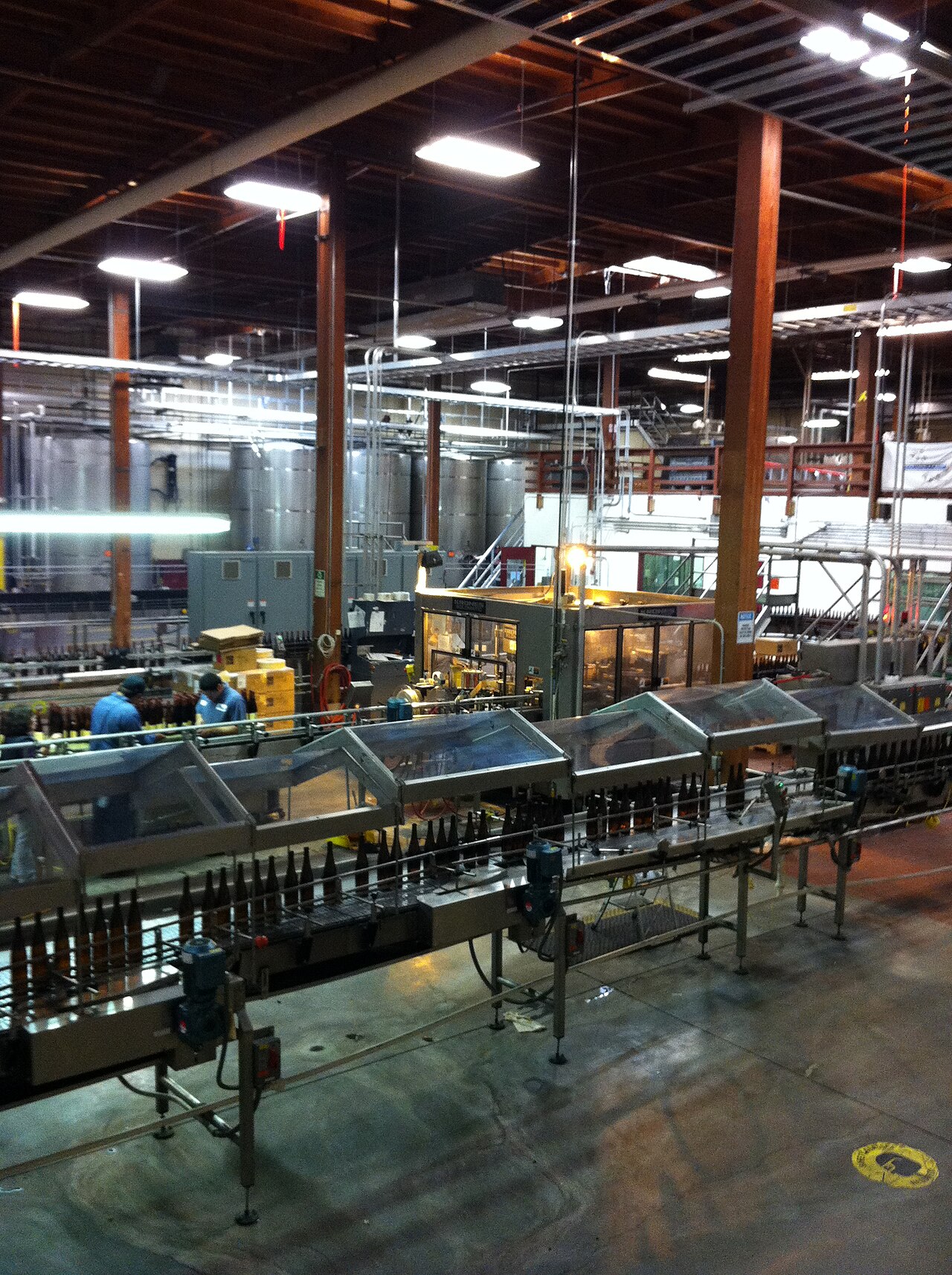
Capping Station
Servo-controlled torque head applies and tightens caps consistently, screw, snap, or push-on.
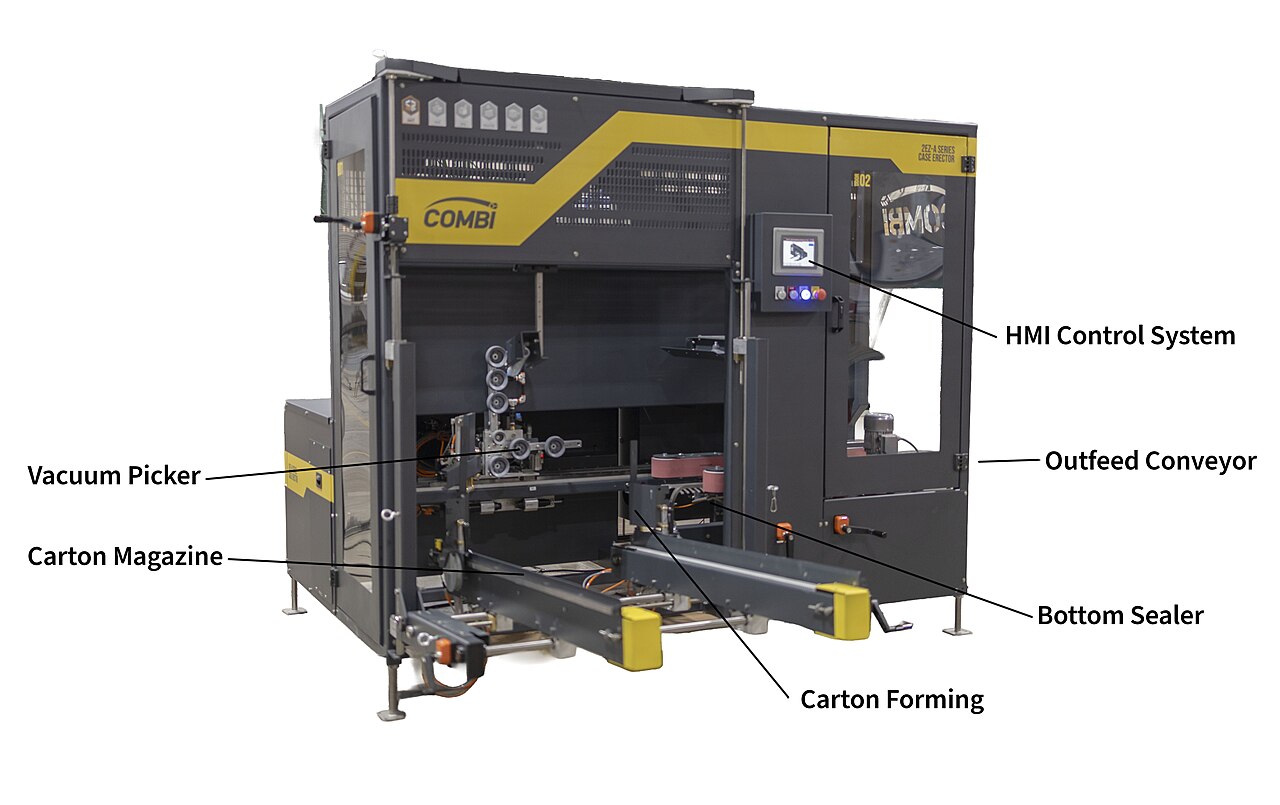
Carton Erector & Sealer
Forms a flat carton blank into an open box and seals the bottom flaps with tape or glue.
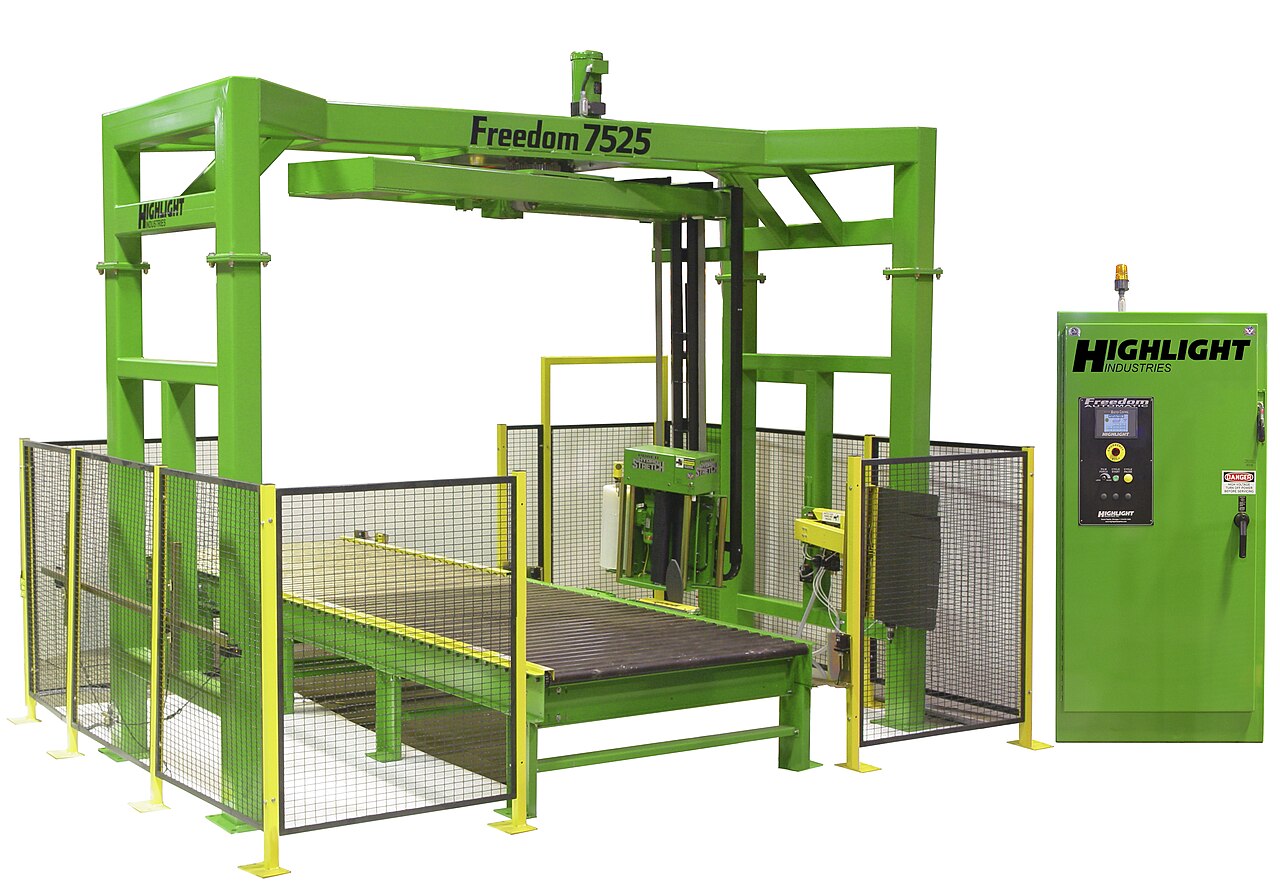
Pallet Stretch-Wrap Station
Turntable rotates the pallet while a film carriage travels up and down, applying programmed wrap patterns.
Don't see your bottleneck?
These 10 are the most common asks. We build to spec when you need something different. Send us a note about your line and we'll come back within 48 hours.
Common questions
What factory automation solutions are available in Sri Lanka?+
Cerox Engineering delivers 10 plug-in factory automation stations in Sri Lanka, vision sorting, auto labelling, delta robot pick-and-place, filling and counting, checkweighers, vision inspection, pouch and bag sealing, capping, carton erecting, and pallet stretch-wrapping. Each is a standalone module you can add to your existing line.
Can Sri Lankan SMEs afford factory automation?+
Yes, entry-level automation stations (small labellers, sealers, manual cappers) start in the LKR 400K–800K range. Larger production-grade rigs (delta robot pick-and-place, full checkweighers) run LKR 1.5M–6M. Cerox sizes each deployment to the customer's actual workflow and budget.
How long does factory automation deployment take?+
Typical contract-to-live for a single station is 8–14 weeks. Multi-station deployments are phased over 4–8 months. We always recommend a pilot phase to prove the integration before scaling.
Which Sri Lankan industries use factory automation?+
Garment and apparel (cutting room, finishing), food and beverage (bottling, packing), tea and spice exporters (filling, sealing, labelling), pharma (filling, vision inspection, sealing), cosmetics (capping, labelling), and small manufacturers across plastics, hardware, and consumer goods.
Does Cerox provide ongoing maintenance for factory automation?+
Yes. Cerox offers annual maintenance contracts for all factory automation deployments, with same-day response across Sri Lanka, scheduled preventive servicing, and local stock of critical spare parts.