Capping Station
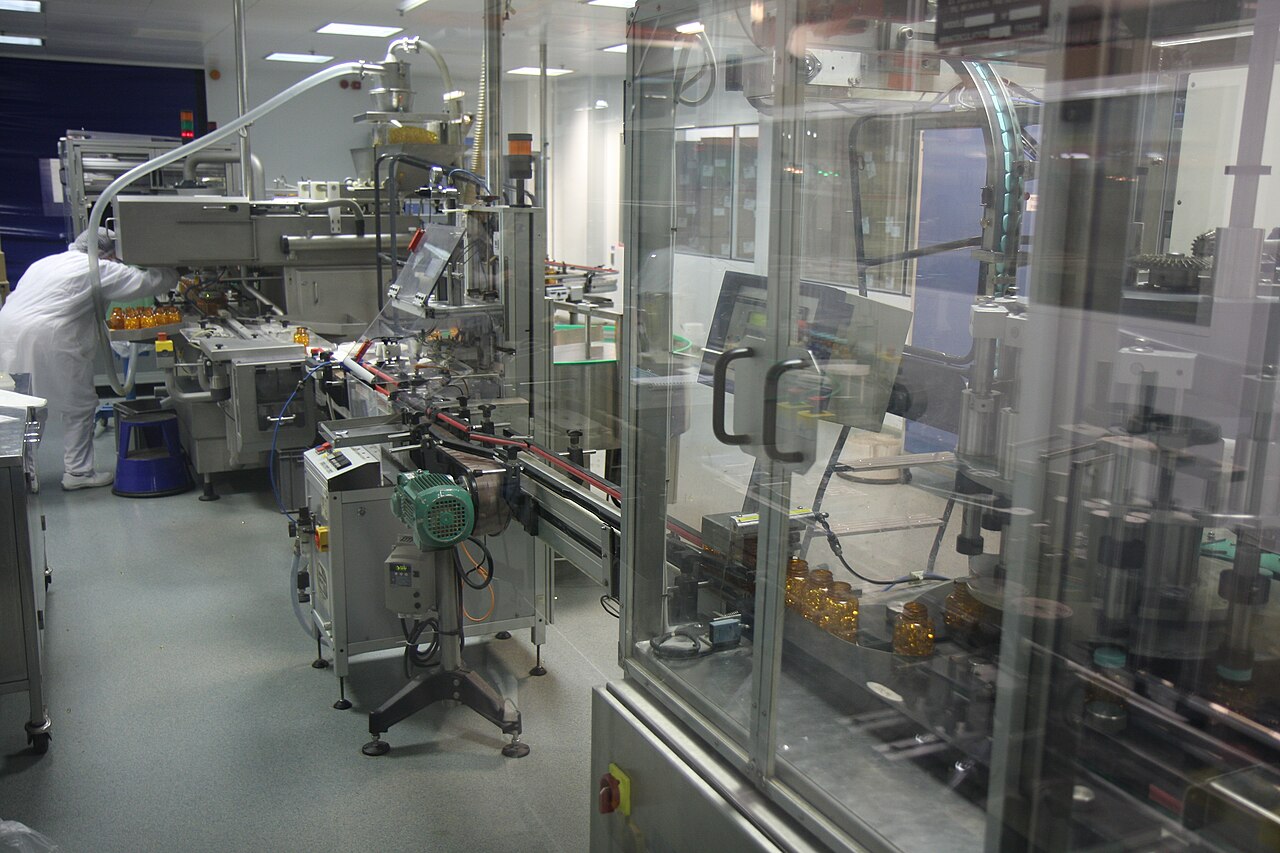
Torque-controlled capping head — same tightness, every bottle.
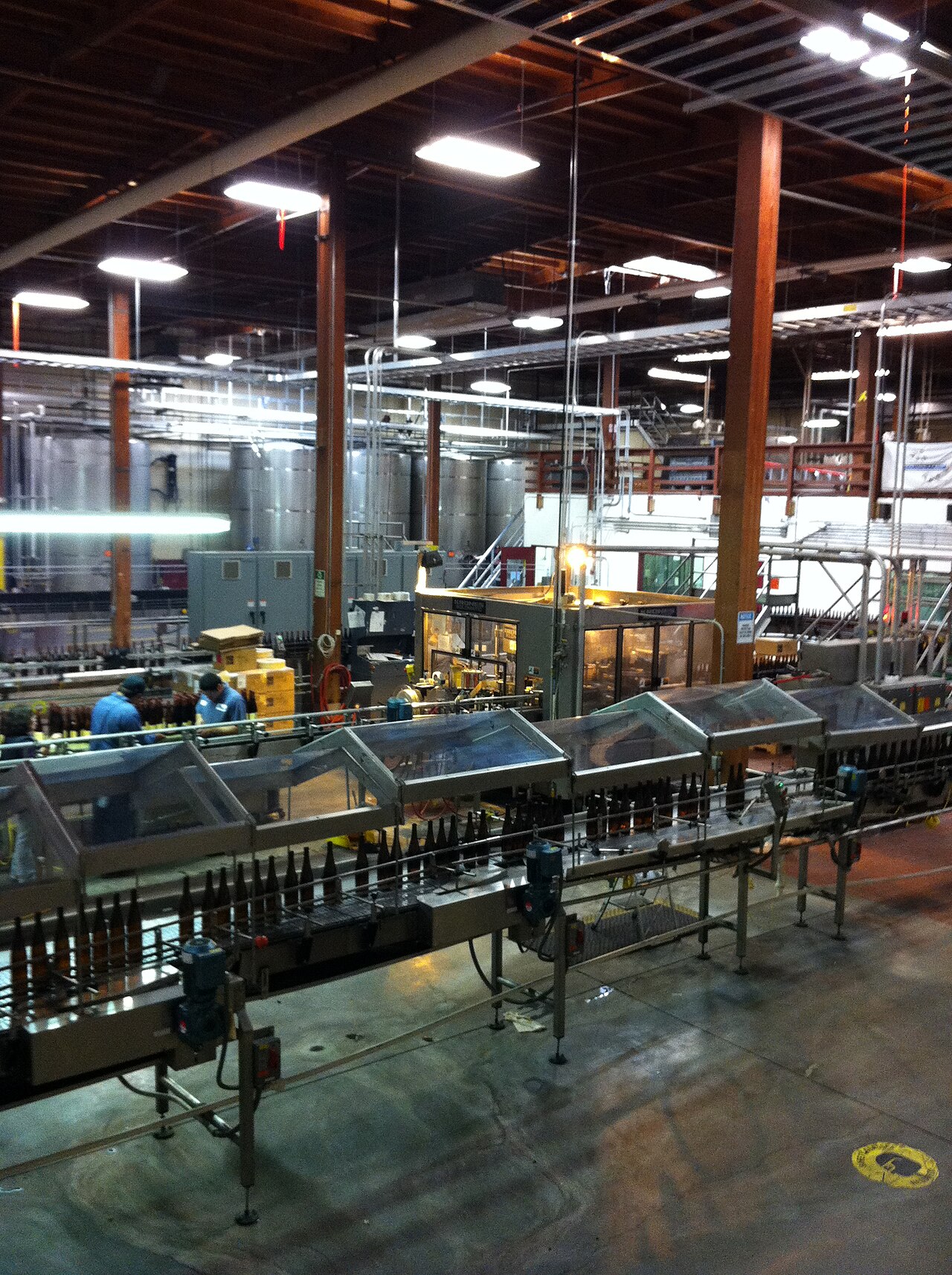
Bottling line, Columbia Crest — Wikimedia Commons
Manual capping is inconsistent: too tight strips the thread, too loose leaks. A capping station applies the same torque to every cap, with logged values per unit. For pharma and food safety lines, this is what passes audit.
Step by step
- 01
Bottles enter on a conveyor through an infeed star wheel.
- 02
Caps are fed from a vibratory bowl, sorted right-way-up, and presented to the pick-off point.
- 03
The capping head picks the cap (or receives it via a chute) and lowers onto the bottle.
- 04
A servo motor (or magnetic clutch) tightens to the programmed torque.
- 05
The actual applied torque is measured and logged per bottle.
- 06
Out-of-torque caps trigger a reject and an alarm.
What's in the cell
- Cap sorter (vibratory bowl + ramp)
- Servo or pneumatic-driven capping head
- Magnetic clutch or torque sensor
- Bottle hold-down or neck grippers
- Conveyor with star-wheel infeed
- PLC with per-SKU torque recipes
Where it fits
- PET water and soft drink bottles (snap or screw caps)
- Glass bottles for sauces, oils, syrups
- Pharma bottles (CRC child-resistant caps)
- Cosmetic jars and tubes
- Lubricant and oil bottles
- Cleaning chemical bottles (trigger sprayers)
Sized to your line
These ranges cover most installations — exact spec depends on your product, throughput target, and integration constraints. We confirm everything before quoting.
Sits between the filler and the labeller. We size the head to your cap type — single-head for low speed, rotary 4–8 head for high speed — and log torque per bottle for audit.
Want this on your line?
Send us a quick note about your product, current throughput, and where it hurts. We'll come back within 48 hours with a sized proposal and a site-visit plan.
Other factory stations
See all 10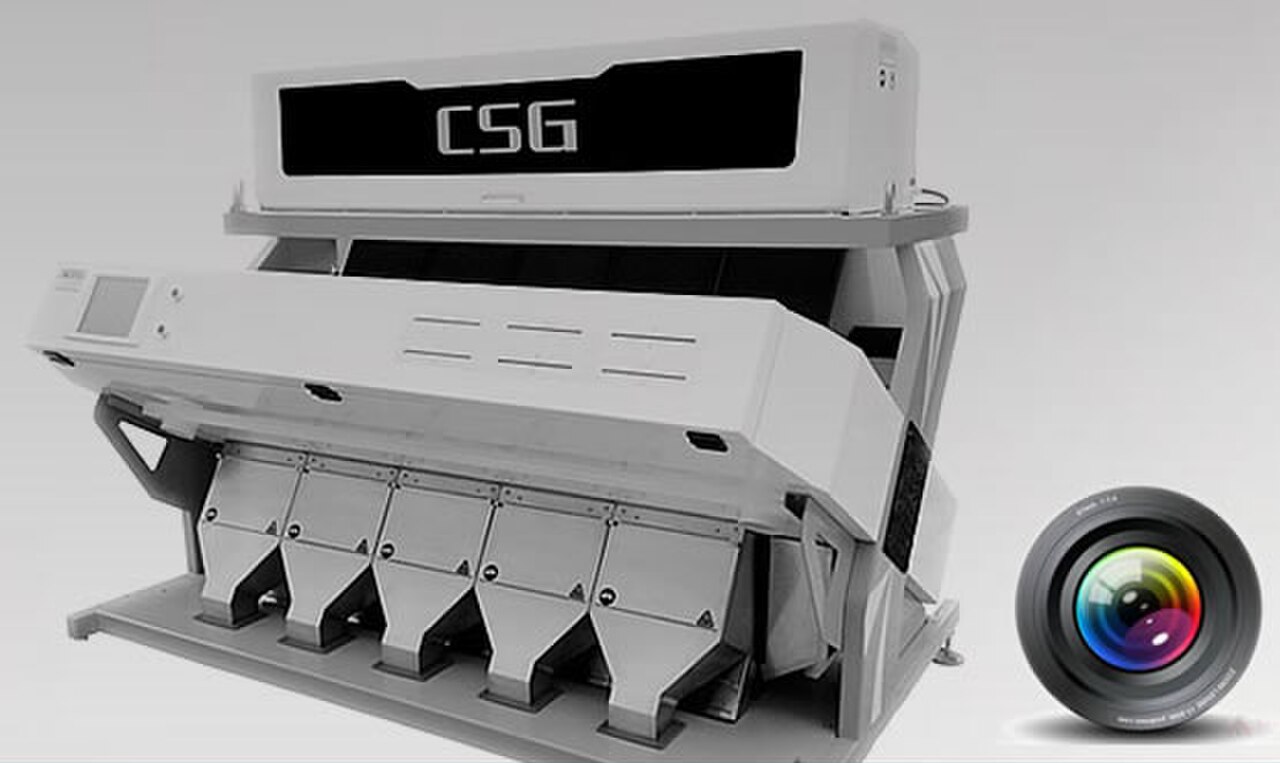
Vision Sorting System
Line-scan camera with air-jet ejectors removes off-spec product in milliseconds.
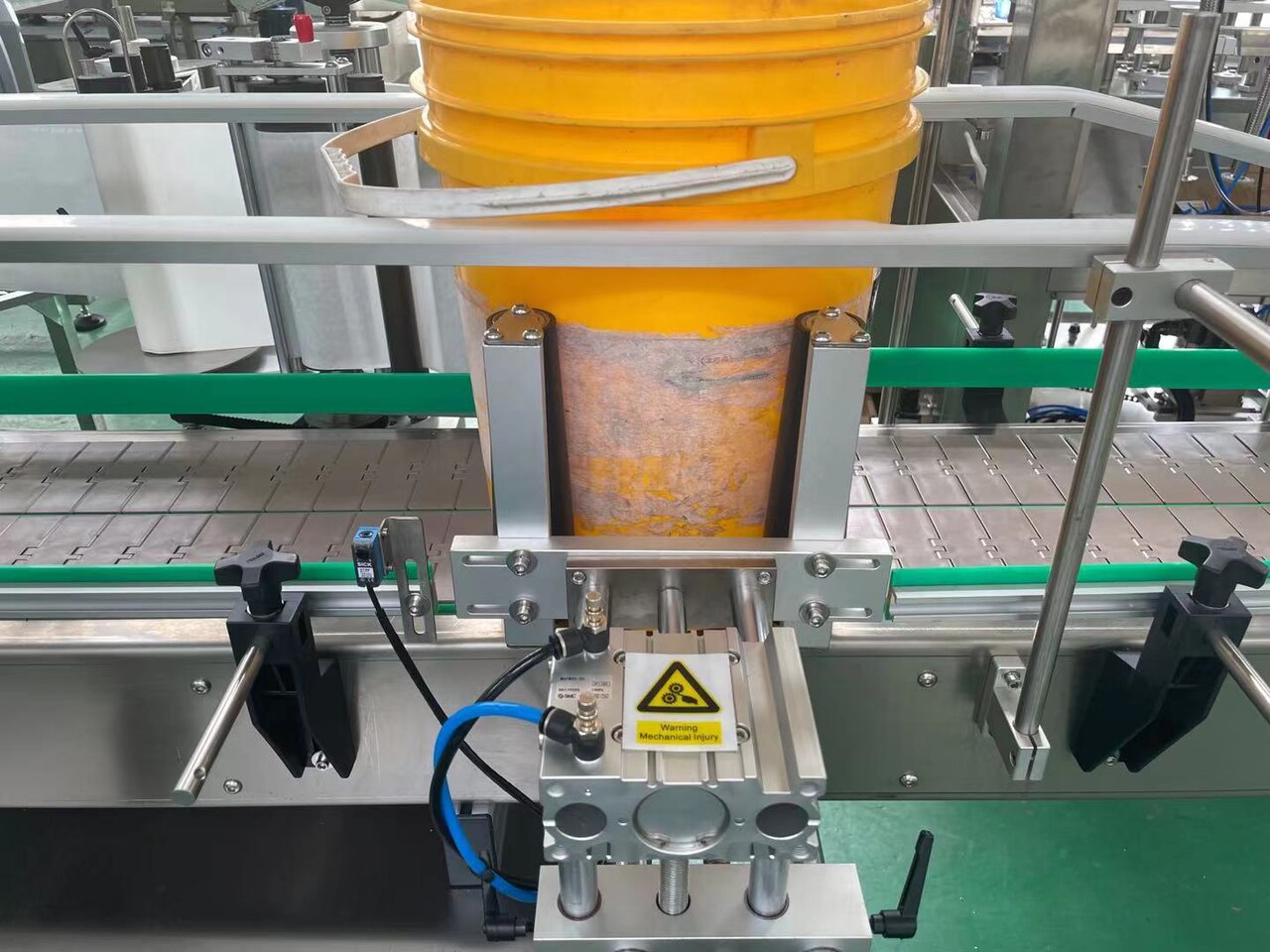
Auto Labelling Machine
Servo-driven applicator wipes a label onto every passing unit, sensor-triggered.
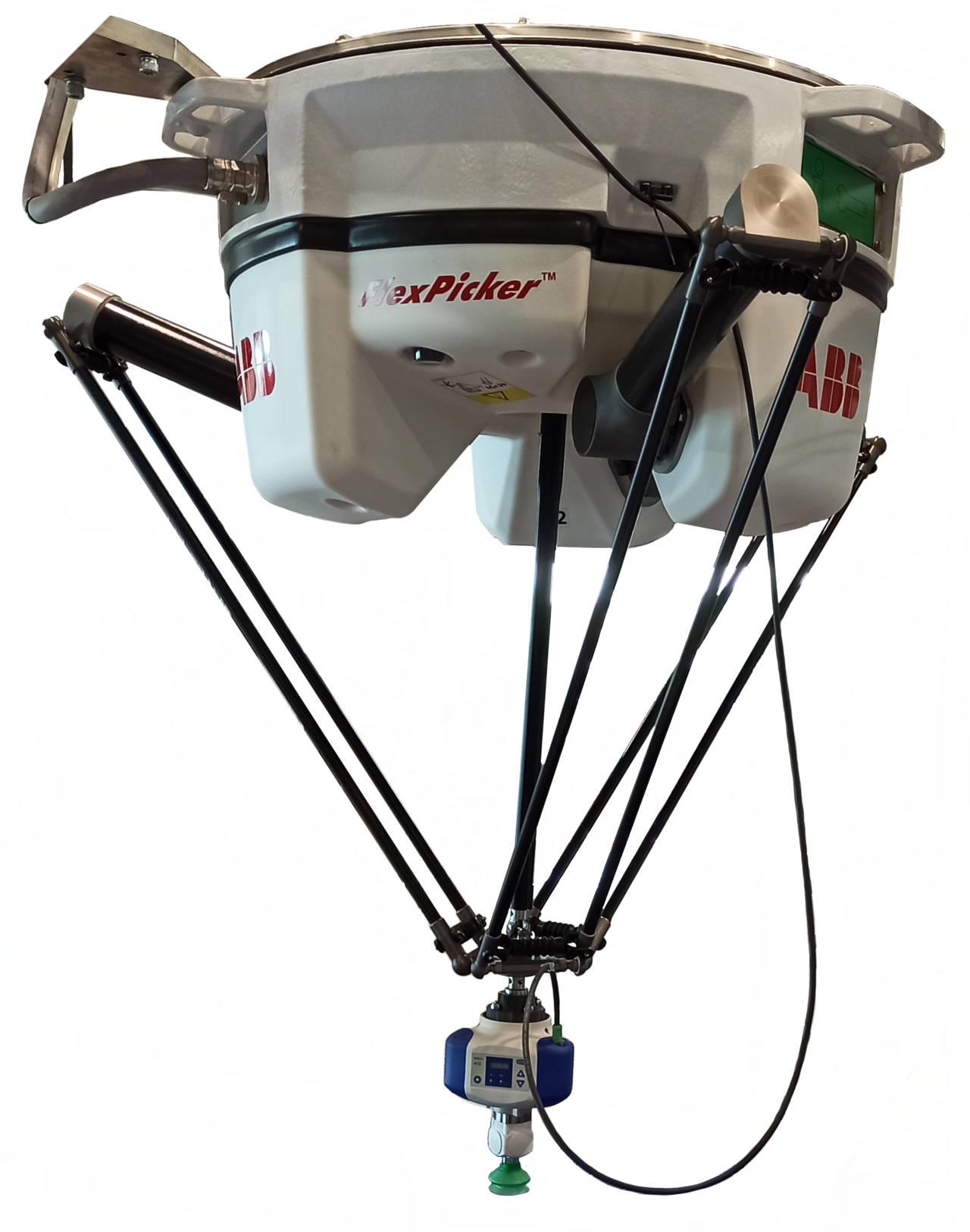
Delta Robot Pick & Place
High-speed parallel-arm robot picks items from a conveyor and places into trays at 60–150 picks/min.
Filling & Counting Station
Counts units into bags or boxes (or fills by weight/volume) and auto-stops when the target is reached.