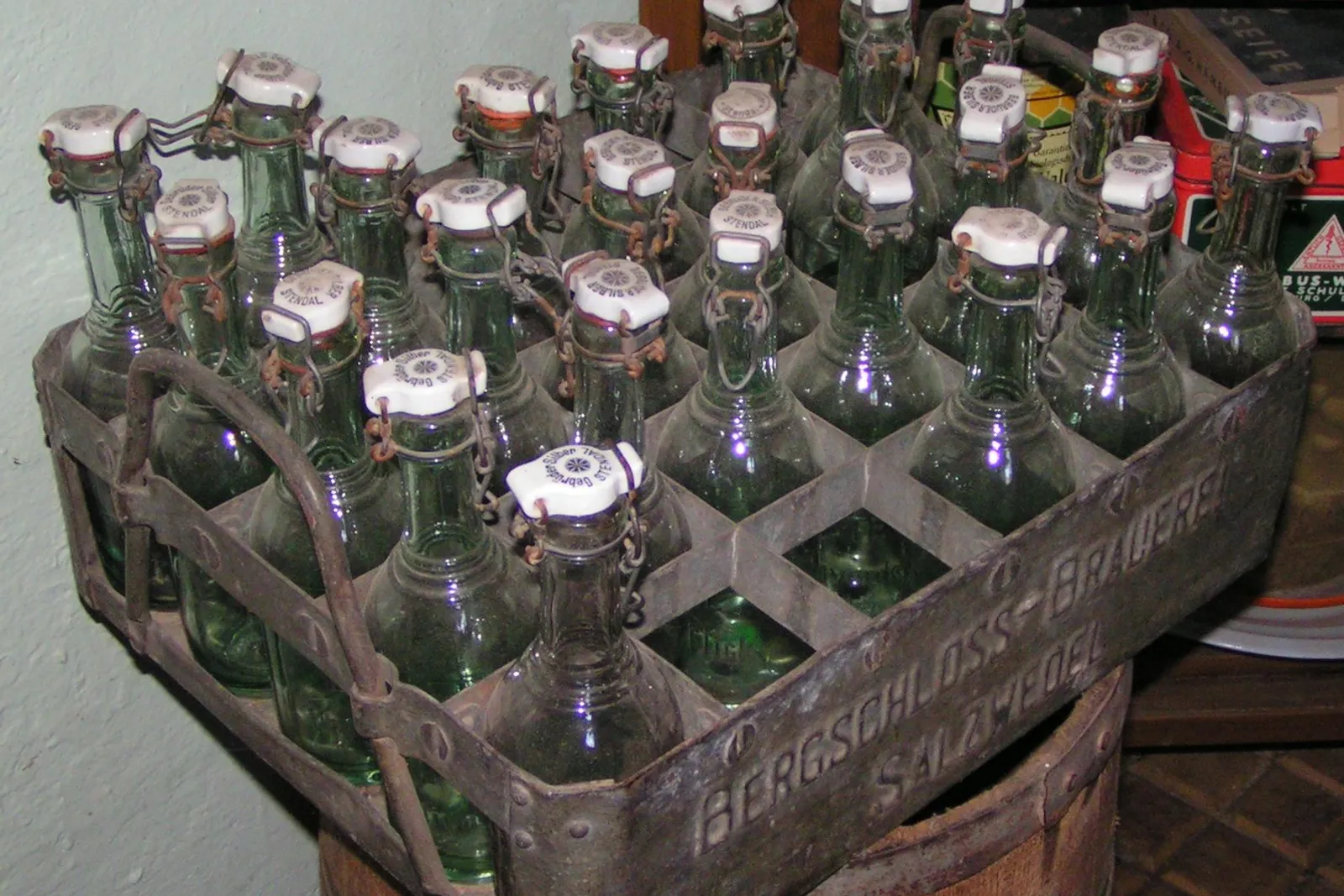
Returnable swing-top glass bottles standing in a crate
All machine vision applications
Machine Vision · Beverages

Empty Bottle Inspection for Returnable Glass Bottles

Empty bottle inspection checks every returnable glass bottle after the washer and before the filler. Cameras look at the finish, the sidewall and the base for chips, cracks, dirt and foreign objects, sensors detect leftover liquid, and bad bottles are rejected, so only clean, sound bottles are filled.

Empty Bottle Inspection at a glance

What it finds
Chipped or cracked finishes, sidewall cracks and scuffing, dirt and residue, foreign objects, residual liquid and caustic, wrong or foreign bottles.
Where it sits
Between the bottle washer and the filler, on the single-file conveyor.
How it sees
Cameras for finish, sidewall and base, each with its own lighting, plus residual liquid detection.
What you get
Automatic rejection of every bad bottle, and reject statistics that show washer and bottle pool problems.
Definition

What is empty bottle inspection?

Empty bottle inspection is the automated check of glass bottles before they are filled. It matters most for returnable bottles, which come back from the market with chips, cracks, dirt, cigarette ends, straws and leftover liquid, and must be cleaned and checked before reuse.

An empty bottle inspector looks at the bottle in zones. The finish, the mouth where the cap or crown seals, is checked for chips that would cause leaks or injure a consumer. The sidewall is checked for cracks, scuffing and dirt. The base is checked for dirt, foreign objects and damage. Residual liquid, including washer caustic, is detected separately.

Returnable glass bottles are widely used in Sri Lanka for beer, soft drinks and other beverages, so bottle pools include bottles of many ages and conditions. The inspector protects the consumer, the filler and the brand.

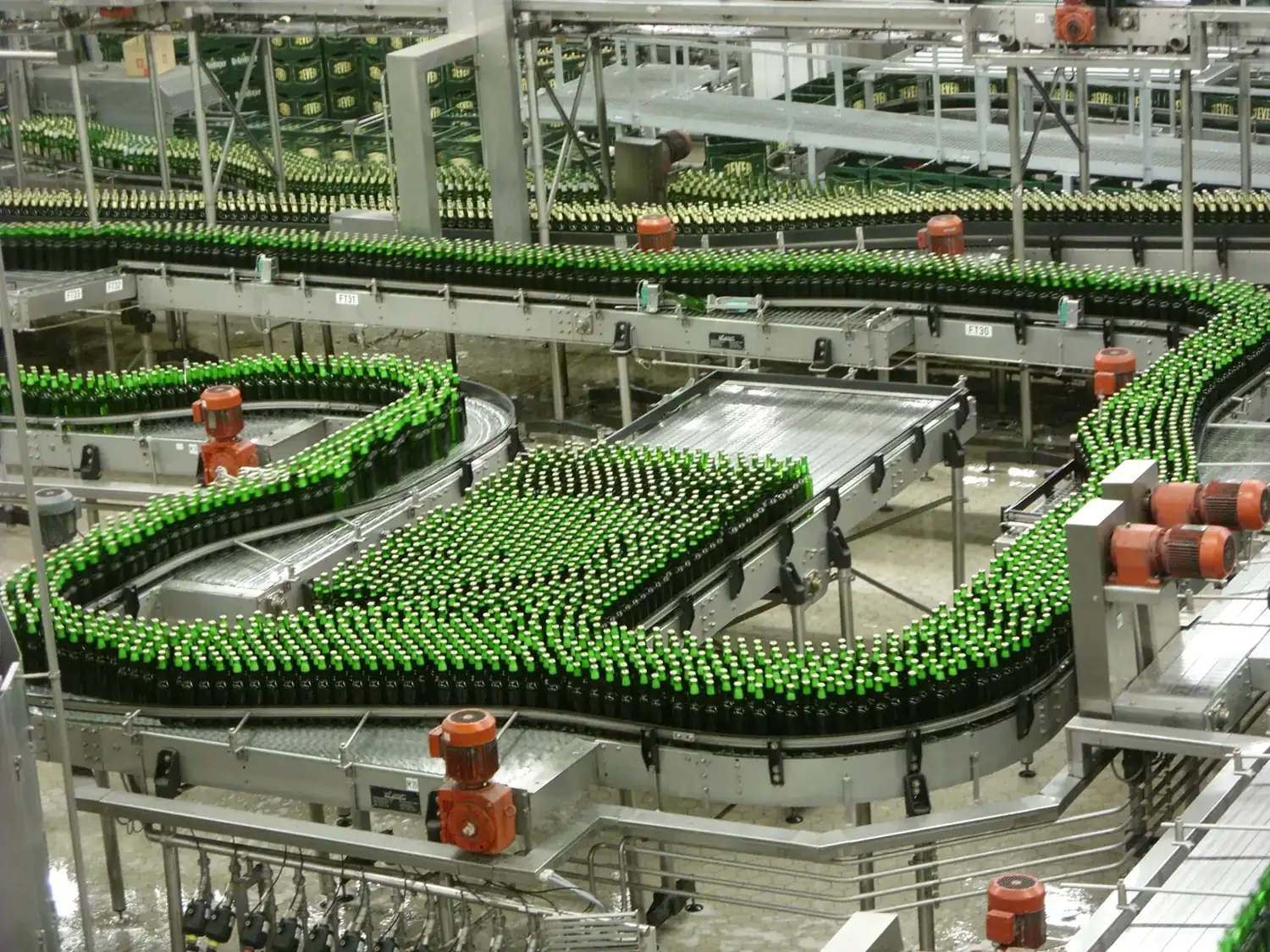
Glass bottles moving through a bottling line
A bottling line. Empty bottle inspection sits after the washer, before the filler, so only sound and clean bottles are filled.
The problem

Why bottle defects get through

  • Bottlers run far faster than people can inspect by eye at a light screen.
  • Fine finish chips and hairline cracks are very hard to see.
  • Foreign objects stuck in the base can survive the washer.
  • Residual caustic or liquid is invisible but dangerous.
  • Foreign or wrong bottles in the pool cause filler and capper jams.
How it works

How empty bottle inspection works, step by step

STEP 1Single fileSTEP 2FinishSTEP 3Wall and baseSTEP 4ResidualSTEP 5Reject
  1. STEP 1

    Bottles in single file

    After the washer, bottles run in single file and are spaced and gripped so each one can be imaged.

  2. STEP 2

    Inspect the finish

    A camera looks down at the mouth with ring lighting to find chips and cracks in the sealing surface.

  3. STEP 3

    Inspect sidewall and base

    Cameras view the sidewall from several angles as the bottle rotates or passes, and look up through the base for dirt and objects.

  4. STEP 4

    Detect residual liquid

    Dedicated sensors detect leftover liquid or caustic in the bottle base.

  5. STEP 5

    Reject and report

    Bad bottles are pushed off the line, and reject counts by cause are logged to show washer and bottle pool problems.

The technology

Methods that make it reliable

Finish inspection

Ring and dark-field lighting make chips and cracks on the sealing surface stand out against the smooth glass.

Sidewall inspection

Several views around the bottle, with backlighting through the glass, reveal cracks, scuffing, dirt and labels left on by the washer.

Base inspection

A camera looks through the base with backlight, finding dirt, foreign objects and base damage.

Residual liquid detection

Infrared or high frequency sensing detects small amounts of leftover liquid or caustic that cameras cannot see reliably.

Foreign bottle and colour sorting

Height, shape and colour measurement identify foreign or wrong bottles so they can be removed before the filler.

Capabilities

What it can check

  • Chipped or cracked finish
  • Sidewall cracks
  • Scuffing and wear
  • Dirt and residue
  • Foreign objects in the base
  • Residual liquid and caustic
  • Labels left after washing
  • Foreign or wrong bottles
  • Bottle colour and height
  • Base damage
Industries

Where it is used

BreweriesSoft drink bottlersWater bottlersMilk and dairy in glassArrack and spiritsSauce and condiment bottling
Sample projects

How a project is scoped

Two example project scopes showing how the station, the checks and the outputs are defined. Every plant is different, so the final configuration is confirmed after a feasibility study on your own parts.

Example scope · Soft drinks

Empty bottle inspection after the washer

The situation: A soft drink bottler fills returnable glass bottles and relies on operators at a light screen to spot dirty and damaged bottles.

Station
Finish, sidewall and base cameras with residual liquid detection between washer and filler
Detects
Chips, cracks, dirt, foreign objects and leftover liquid
Output
Automatic rejection of every bad bottle
Extra
Reject statistics by cause to monitor the washer and the bottle pool
Example scope · Brewery

Foreign bottle sorting for a mixed bottle pool

The situation: A brewery receives returned crates containing other brands and damaged bottles that jam the filler.

Station
Height, shape and colour inspection before the washer and finish check after it
Detects
Foreign brands, wrong sizes and colours, chipped finishes
Output
Foreign bottles diverted for return, damaged bottles rejected
Extra
Bottle pool condition reports
What is in the system

Typical components

  • Finish, sidewall and base cameras
  • Ring, dark-field and backlight illumination
  • Residual liquid sensors
  • Bottle handling and spacing
  • Rejectors
  • Industrial PC
  • Reject statistics and reporting

Cameras and lenses, supplied locally

Industrial cameras, lenses, line-scan cameras and code readers are available through our machine vision catalog, quoted with delivery to Sri Lanka. We select the hardware for your application during the feasibility study.

Browse the hardware catalog
How we work

Proven on your parts before you commit

Every product, surface and line behaves differently under a camera, so every project starts with evidence from your own material.

  1. PHASE 1

    Discovery

    A site visit to understand your product, line speed, quality criteria and where the check should sit.

  2. PHASE 2

    Feasibility study

    We image your good and defective samples and show what the system can reliably detect. This is the go or no-go.

  3. PHASE 3

    Pilot station

    One station on one line, running beside your inspectors until results match and your team trusts them.

  4. PHASE 4

    Rollout and support

    More lines, integration with your PLC and systems, and local support from our Sri Lankan engineering team.

FAQ

Empty Bottle Inspection: common questions

What does an empty bottle inspector check?

+

It checks the finish for chips and cracks, the sidewall for cracks, scuffing and dirt, the base for dirt, foreign objects and damage, and detects residual liquid or caustic. It can also detect foreign or wrong bottles.

Why is it important for returnable bottles?

+

Returnable bottles come back from the market in many conditions, with damage, dirt and objects inside. The washer cleans them, but cannot repair damage or always remove objects, so every bottle must be checked before it is filled.

Can it detect leftover caustic from the washer?

+

Yes, with dedicated residual liquid sensing alongside the cameras, because small amounts of clear liquid are hard to see reliably in an image.

Can it work on an existing line?

+

Yes, if there is a section of single-file conveyor between the washer and the filler with room for the inspection unit and a rejector. Line speed and bottle types decide the configuration.

Does it also check full bottles?

+

Full bottle checks, such as fill level, cap and label, are a separate station after the filler. See our label and packaging inspection page.

Send us a few sample parts

Tell us what you need to check and share some good and faulty samples. We will show you what a camera can reliably see before you commit to anything.

Photographs show representative plants and equipment, not Cerox installations or client sites. Diagrams by Cerox Engineering. Photo credits, via Wikimedia Commons: Swing-top bottles in a crate by Stefan Kühn, CC BY-SA 3.0; Bottling line by ChristianBier, CC BY-SA 3.0.