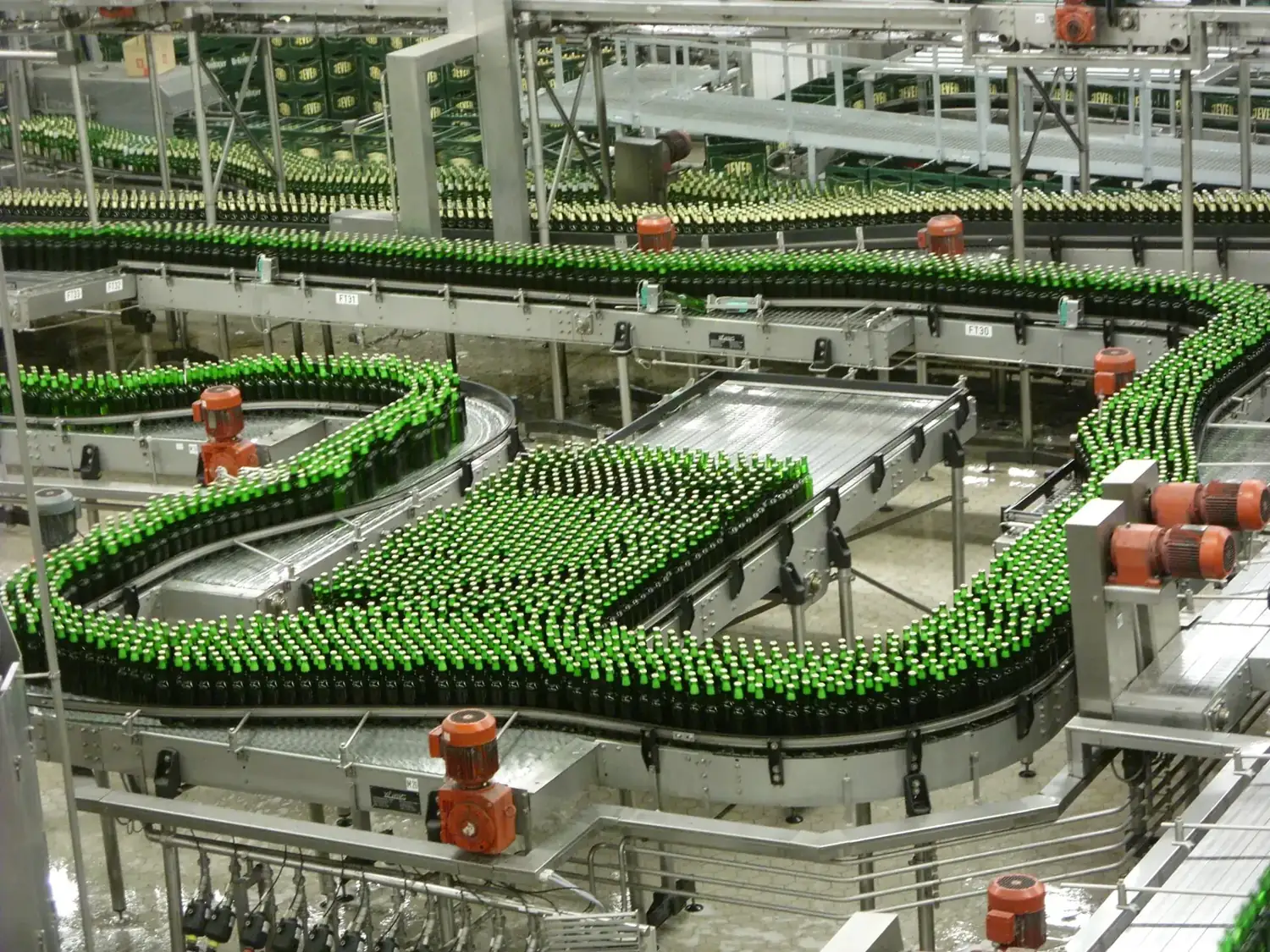
Bottles travelling along a high-speed bottling line conveyor
All machine vision applications
Machine Vision · Packaging

Label and Packaging Inspection Systems

Packaging inspection uses cameras on the filling and packing line to check every unit: the right label, placed straight and undamaged, a cap that is present and seated, a container filled to the right level and a pack properly sealed. Faulty units are rejected before they reach a carton.

Label & Packaging Inspection at a glance

What it checks
Label presence, position, skew and damage, correct artwork, cap presence and height, fill level, seals and carton closure.
Where it sits
After the labeller, capper, filler or sealer, on the existing conveyor.
How it decides
Pattern matching against the approved artwork and measured tolerances for position, height and level.
What you get
Automatic rejects, counts by fault type and saved images of every failure.
Definition

What is packaging inspection?

Packaging inspection is the automated check that each finished unit looks exactly as it should before it ships. It covers the label, the closure, the contents and the pack itself.

Its most important job is catching mix-ups: the wrong label on the right product. A pattern check against the approved artwork, often combined with reading the barcode, makes that mistake impossible to ship.

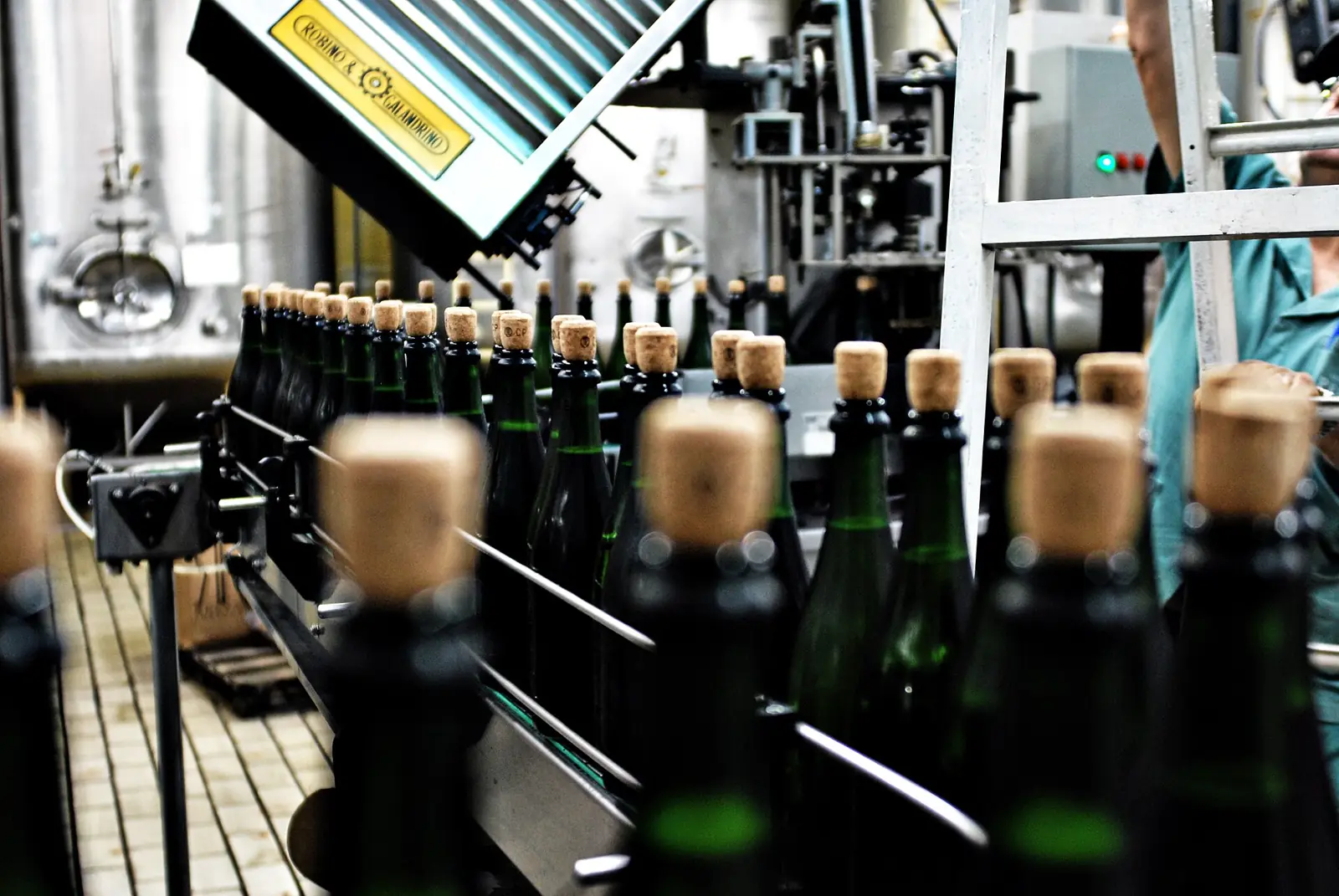
Close view of filled bottles moving through a filling machine
Caps, fill levels and labels are all checked in the few centimetres a bottle travels between machines.
The problem

Why packaging faults reach customers

  • Lines run too fast for people to look properly at every unit.
  • A label reel from the previous product can be loaded after a changeover.
  • Crooked, wrinkled or flagged labels make a premium product look cheap on the shelf.
  • Loose caps and poor seals cause leaks, spoilage and returns.
  • Underfilled packs are a legal and reputational risk.
How it works

How label & packaging inspection works, step by step

STEP 1TriggerSTEP 2ImageSTEP 3CompareSTEP 4RejectSTEP 5Report
  1. STEP 1

    Detect each unit

    A sensor triggers the camera as each container or pack passes.

  2. STEP 2

    Capture the right view

    One or more cameras, sometimes with mirrors, capture the label, cap or seal. Some checks use backlight to see the fill level through the container.

  3. STEP 3

    Compare with the standard

    The label is matched to the approved artwork, positions and heights are measured, and the fill line is located.

  4. STEP 4

    Reject faulty units

    Failures are pushed or blown off the line into a locked reject bin.

  5. STEP 5

    Count and trend

    Faults are counted by type so the labeller, capper or filler causing them can be adjusted.

The technology

Methods that make it reliable

Pattern matching

Compares the label with the approved artwork to confirm the right design and version is applied.

Backlit fill level

Light shone through a translucent container reveals the liquid line, which is measured against the target level.

Multi-camera coverage

Several cameras around a round container see the whole label, wherever it is facing.

Seal and closure checks

Measures cap height and tilt, and checks heat seals on pouches and blisters for wrinkles, gaps and contamination.

Capabilities

What it can check

  • Label present
  • Correct label and version
  • Label position and skew
  • Wrinkles, tears and flags
  • Cap present and seated
  • Cap tilt and height
  • Fill level
  • Pouch and blister seals
  • Carton flaps closed
Industries

Where it is used

BeveragesFoodPharmaceuticalsCosmetics and personal careHousehold chemicalsDairy
Sample projects

How a project is scoped

Two example project scopes showing how the station, the checks and the outputs are defined. Every plant is different, so the final configuration is confirmed after a feasibility study on your own parts.

Example scope · Beverage bottling

Cap, fill level and label check after the labeller

The situation: A beverage bottler receives complaints about loose caps and occasional underfilled bottles.

Station
Inspection tunnel after the labeller with backlight and three cameras
Checks
Cap presence and height, fill level, label position and version
Output
Reject into a locked bin, fault counts per shift
Extra
Alarm when one capping head causes repeated faults
Example scope · Food pouches

Seal inspection on a pouch packer

The situation: A pouch packer sees leaking packs in the market that passed a visual check.

Station
Camera over the sealing jaw outfeed
Checks
Seal width, wrinkles, product trapped in the seal
Output
Reject of faulty pouches, seal quality trend
Extra
Early warning when sealing jaw temperature drifts
What is in the system

Typical components

  • Area-scan cameras or smart cameras
  • Backlights and diffuse ring lights
  • Mirrors for 360 degree label views
  • Trigger sensors and encoder
  • Pusher or air-jet rejector with locked bin
  • Operator display with fault images

Cameras and lenses, supplied locally

Industrial cameras, lenses, line-scan cameras and code readers are available through our machine vision catalog, quoted with delivery to Sri Lanka. We select the hardware for your application during the feasibility study.

Browse the hardware catalog
How we work

Proven on your parts before you commit

Every product, surface and line behaves differently under a camera, so every project starts with evidence from your own material.

  1. PHASE 1

    Discovery

    A site visit to understand your product, line speed, quality criteria and where the check should sit.

  2. PHASE 2

    Feasibility study

    We image your good and defective samples and show what the system can reliably detect. This is the go or no-go.

  3. PHASE 3

    Pilot station

    One station on one line, running beside your inspectors until results match and your team trusts them.

  4. PHASE 4

    Rollout and support

    More lines, integration with your PLC and systems, and local support from our Sri Lankan engineering team.

FAQ

Label & Packaging Inspection: common questions

Can vision check that the right label is on the right product?

+

Yes. The system compares each label with the approved artwork for the current job and can also read the barcode, so a label from the wrong reel is rejected immediately.

How is fill level measured through a bottle?

+

For translucent containers, a backlight shines through the bottle and the camera measures where the liquid line sits. For opaque containers, other methods such as weighing or X-ray are used, and we can advise on which fits.

Does it slow the packing line down?

+

No. Inspection happens in milliseconds as each unit passes, and faulty units are removed without stopping the line.

Can it inspect round bottles where the label faces any direction?

+

Yes. Several cameras, or a camera with mirrors, capture the full circumference so the label is checked wherever it ends up facing.

What happens to rejected units?

+

They go into a locked reject bin so they cannot be put back on the line by mistake, and each one has a saved image showing why it failed.

Send us a few sample parts

Tell us what you need to check and share some good and faulty samples. We will show you what a camera can reliably see before you commit to anything.

Photographs show representative plants and equipment, not Cerox installations or client sites. Diagrams by Cerox Engineering. Photo credits, via Wikimedia Commons: Bottling line by ChristianBier, CC BY-SA 3.0; Bottles on a filling line by Elisandra Leite, CC BY-SA 3.0.