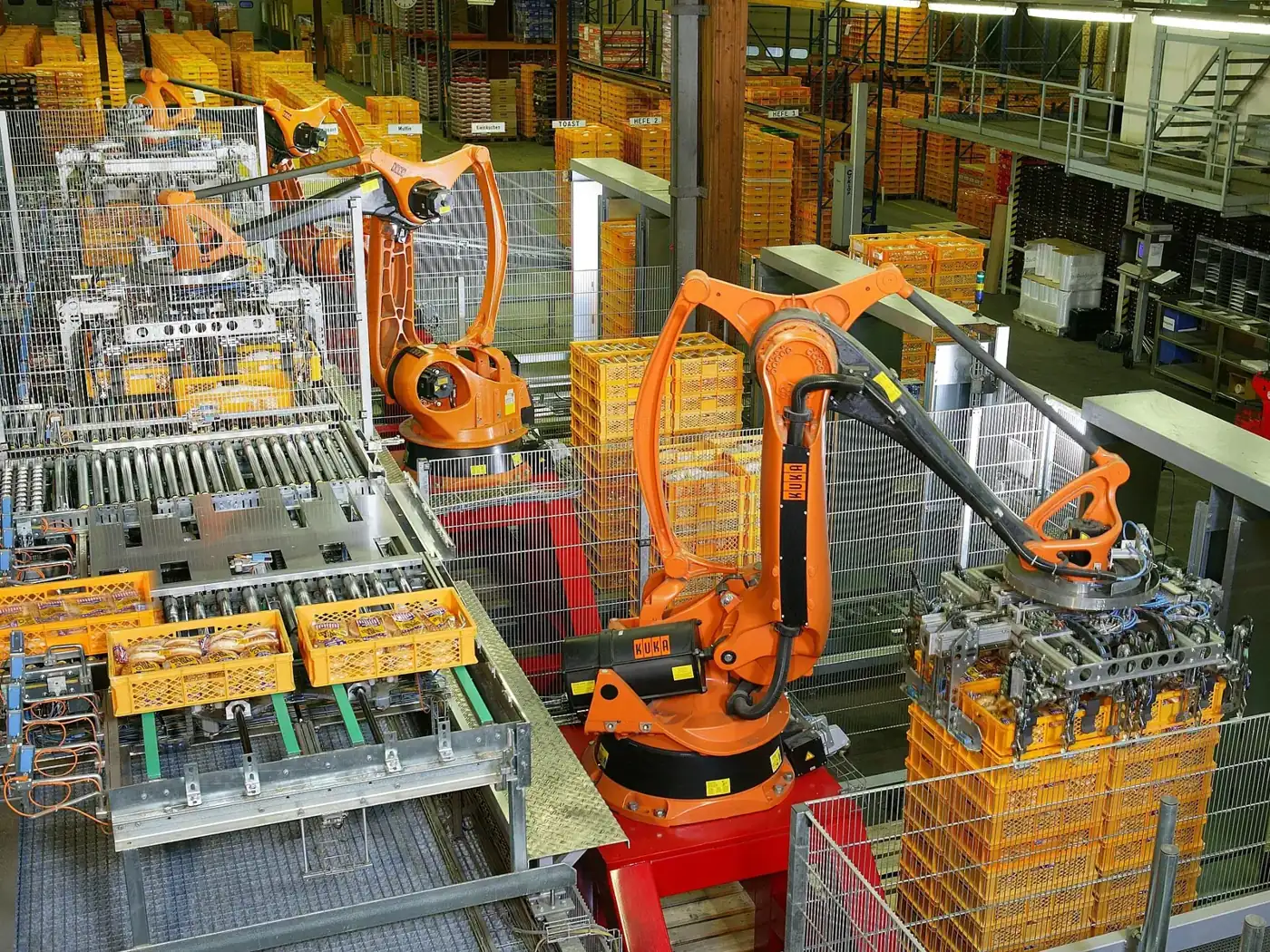
Machine Vision Systems for Inspection, Measurement and Guidance
Cameras, lighting and software that check every product on your line: finding defects, reading codes, measuring parts, grading produce and guiding robots. Designed, built, installed and supported in Sri Lanka by Cerox Engineering.
Machine vision at a glance
- What it does
- Inspects, measures, reads and locates products automatically, on every unit, at line speed.
- What it replaces
- Manual visual checks, sampling-based gauging and fixed tooling for robots.
- How it decides
- Rule-based tools for predictable checks, deep learning for variable and cosmetic ones.
- How we start
- A feasibility study on your own samples, before any system is built.
What is machine vision?
Machine vision is the use of industrial cameras, lighting and software to inspect, measure, identify or locate products automatically on a production line.
Each cycle the system captures an image, analyses it in milliseconds, and sends a decision to the line: accept or reject the part, record the code, log the measurement, or tell a robot where to pick. Unlike a person, it applies exactly the same standard to every unit, on every shift, and keeps a record of each decision.
It is how modern plants inspect everything they make instead of a sample, and how they prove it to their customers.
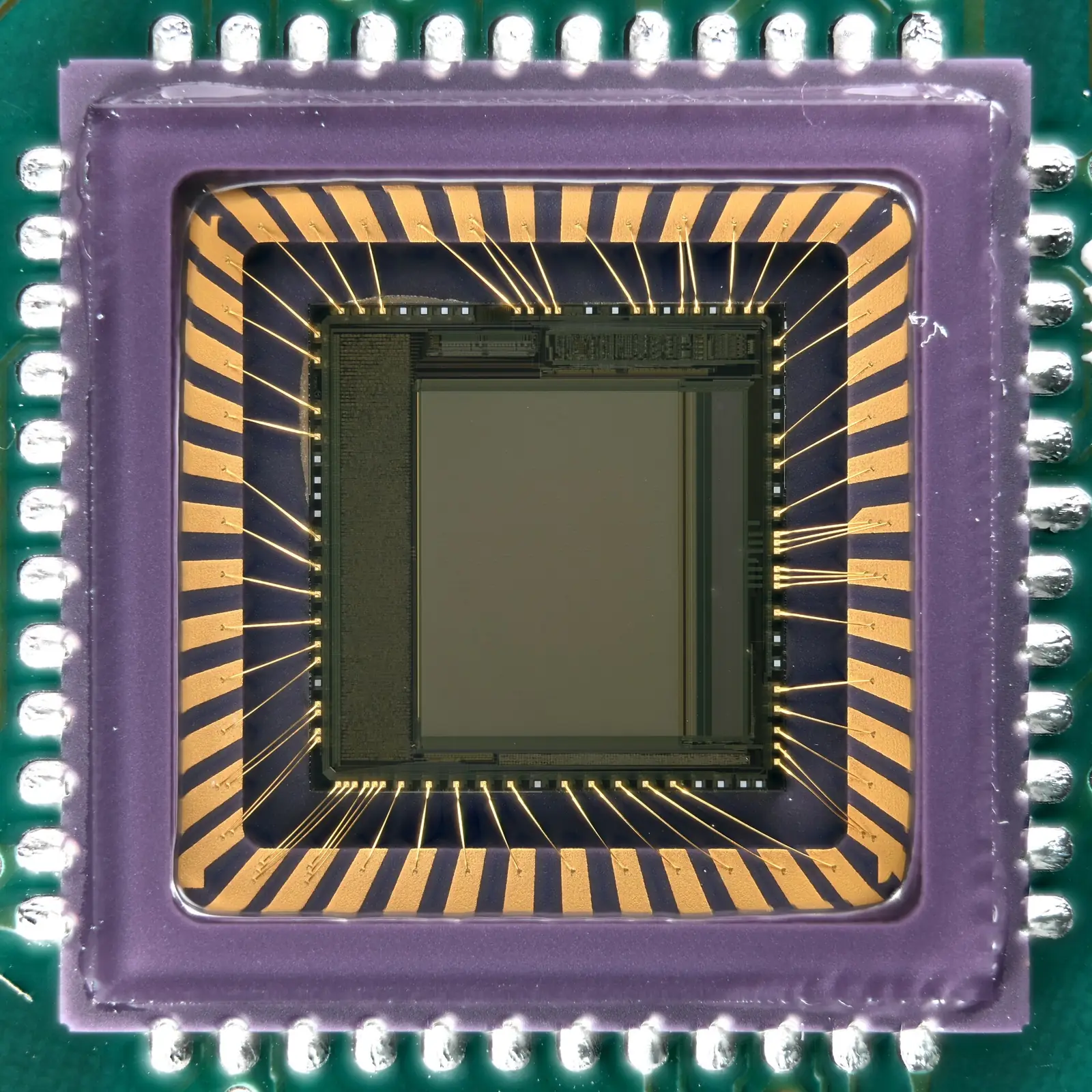
The anatomy of a vision system
Every machine vision system has the same five parts. Getting the first two right, the lighting and the lens, matters more than anything the software does afterwards.
What machine vision can do on your line
Ten applications we design and build, each with its own page explaining how it works, the standards involved, example project scopes and common questions.
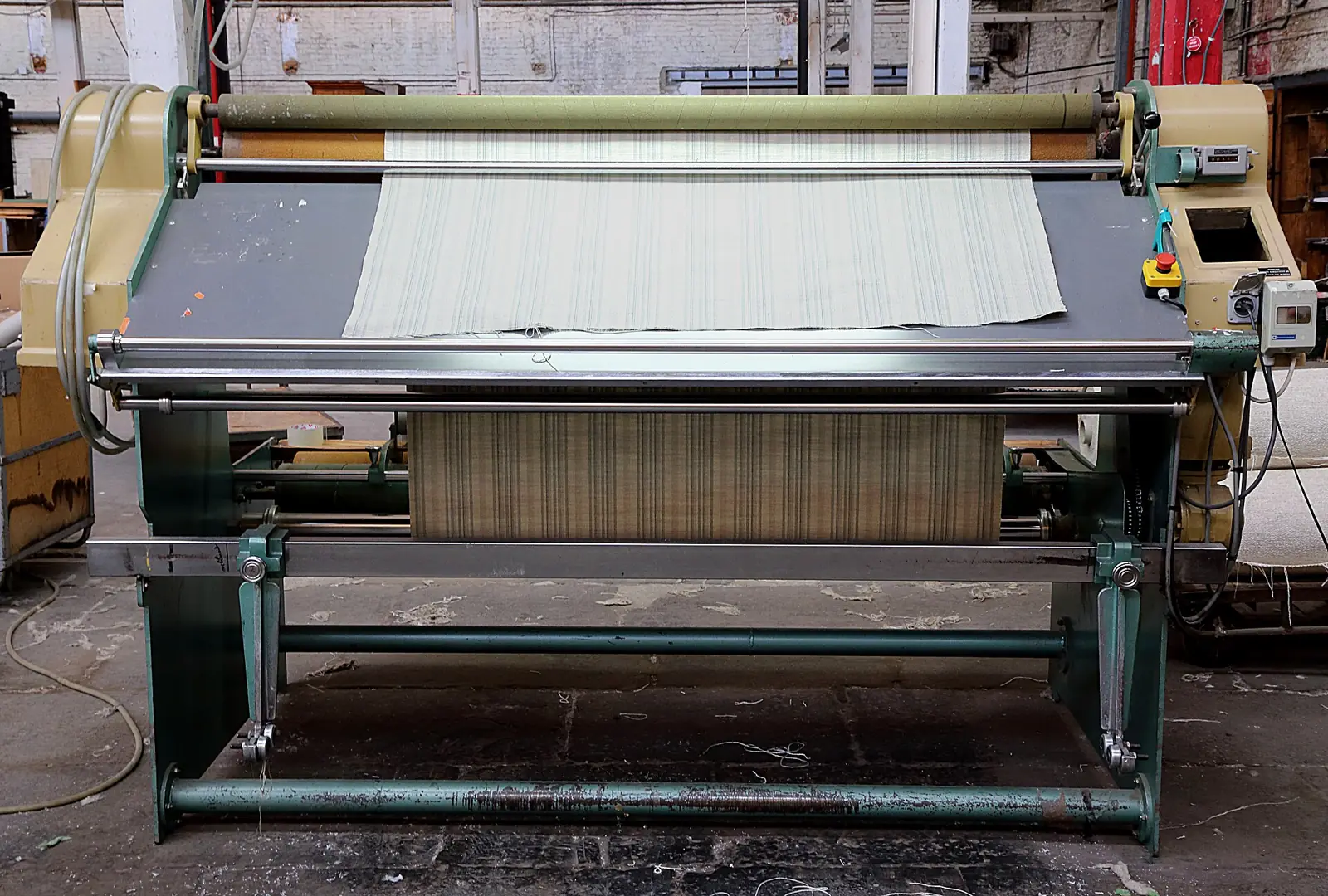
Automated Fabric Inspection
Automated fabric inspection uses line-scan cameras mounted across a fabric inspection frame to find, classify and map every defect in a roll as it runs, then grades the roll to the 4-point system. Inspectors stop searching and start confirming.
Learn more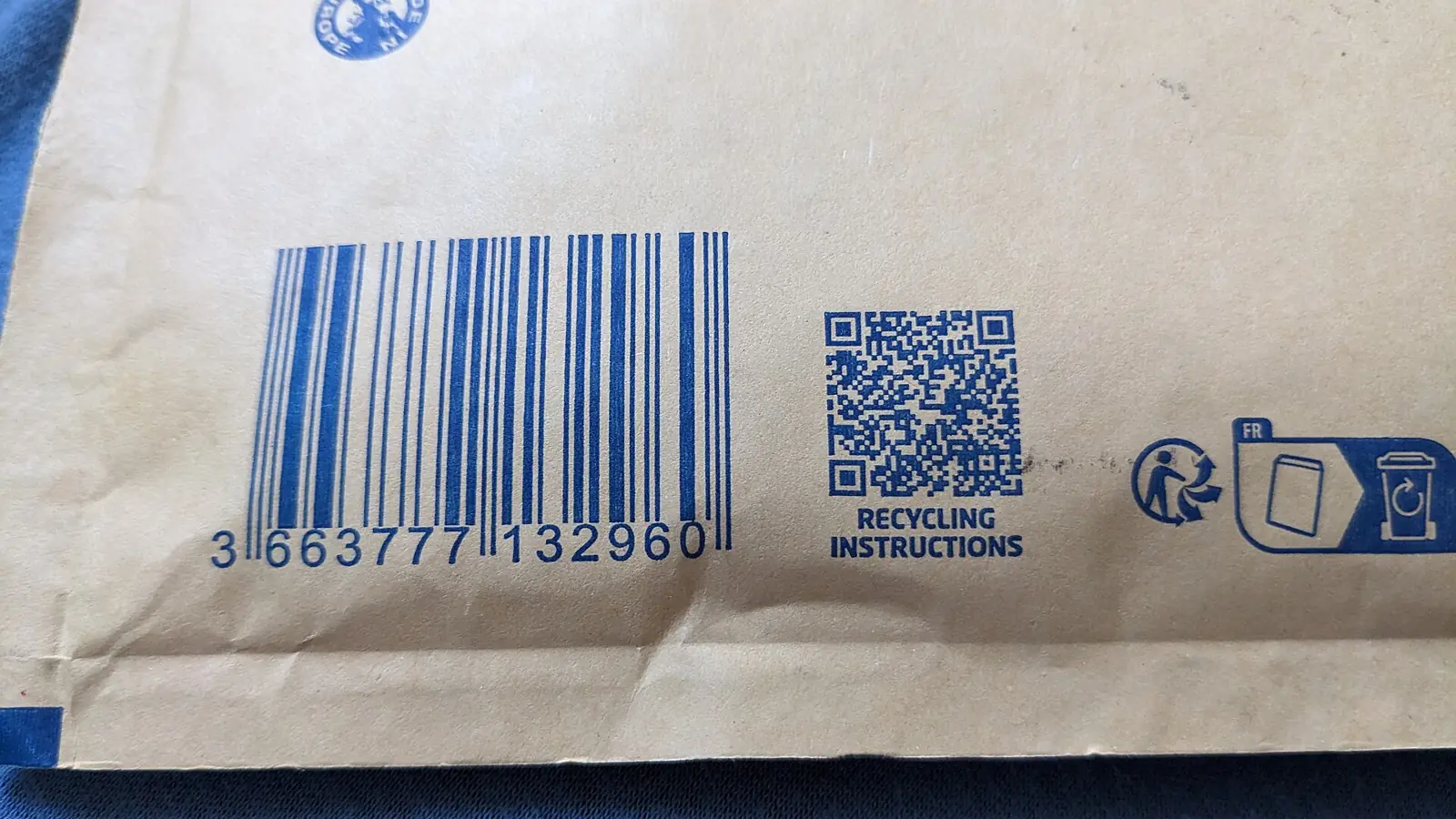
Barcode, 2D Code & OCR
Code reading systems use industrial cameras to read every barcode, QR code, Data Matrix and printed date or lot code on the line, check it is correct and legible, and reject anything that is not. Every read is logged, so you can trace any unit back to its batch.
Learn more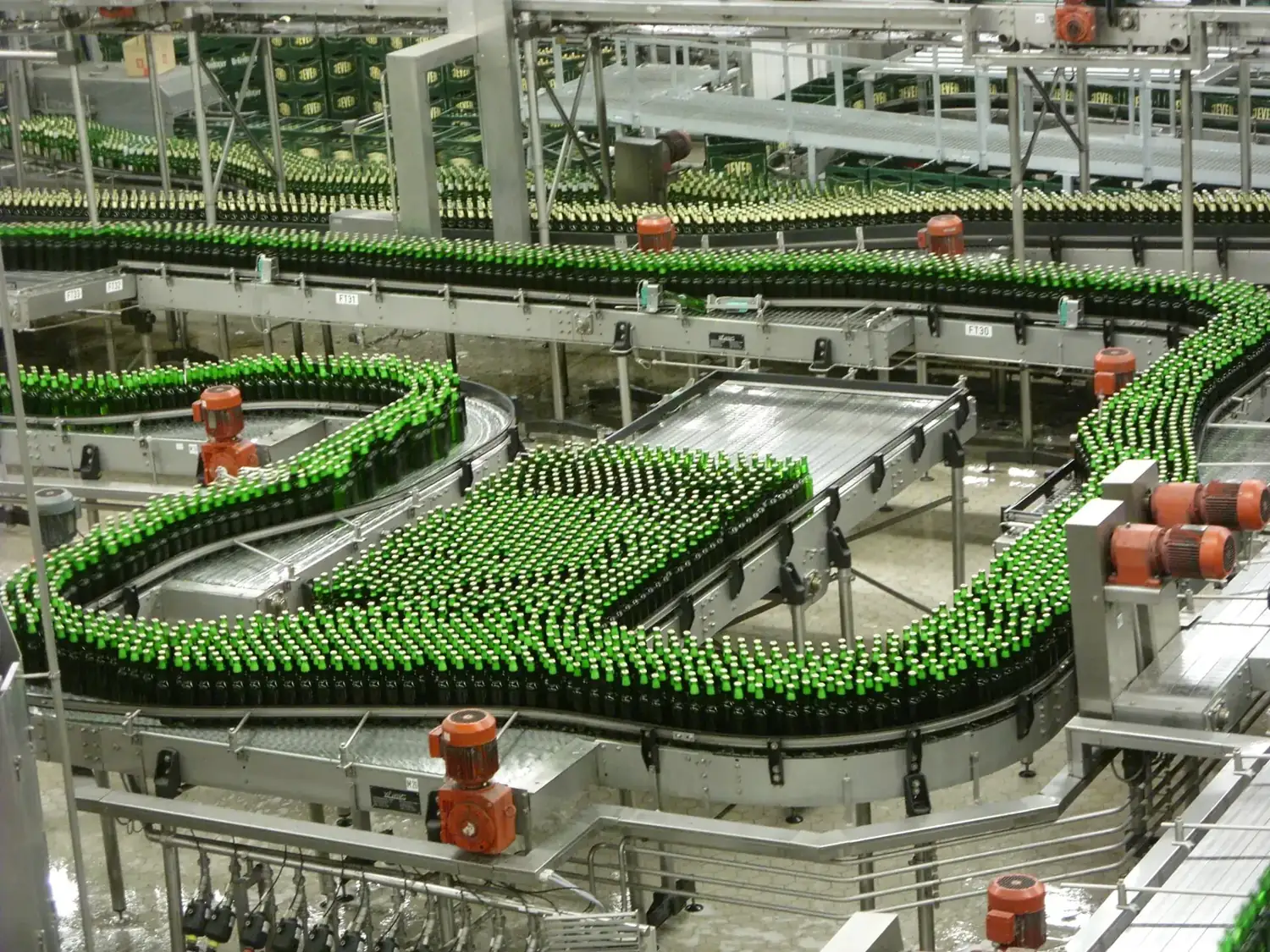
Label & Packaging Inspection
Packaging inspection uses cameras on the filling and packing line to check every unit: the right label, placed straight and undamaged, a cap that is present and seated, a container filled to the right level and a pack properly sealed. Faulty units are rejected before they reach a carton.
Learn more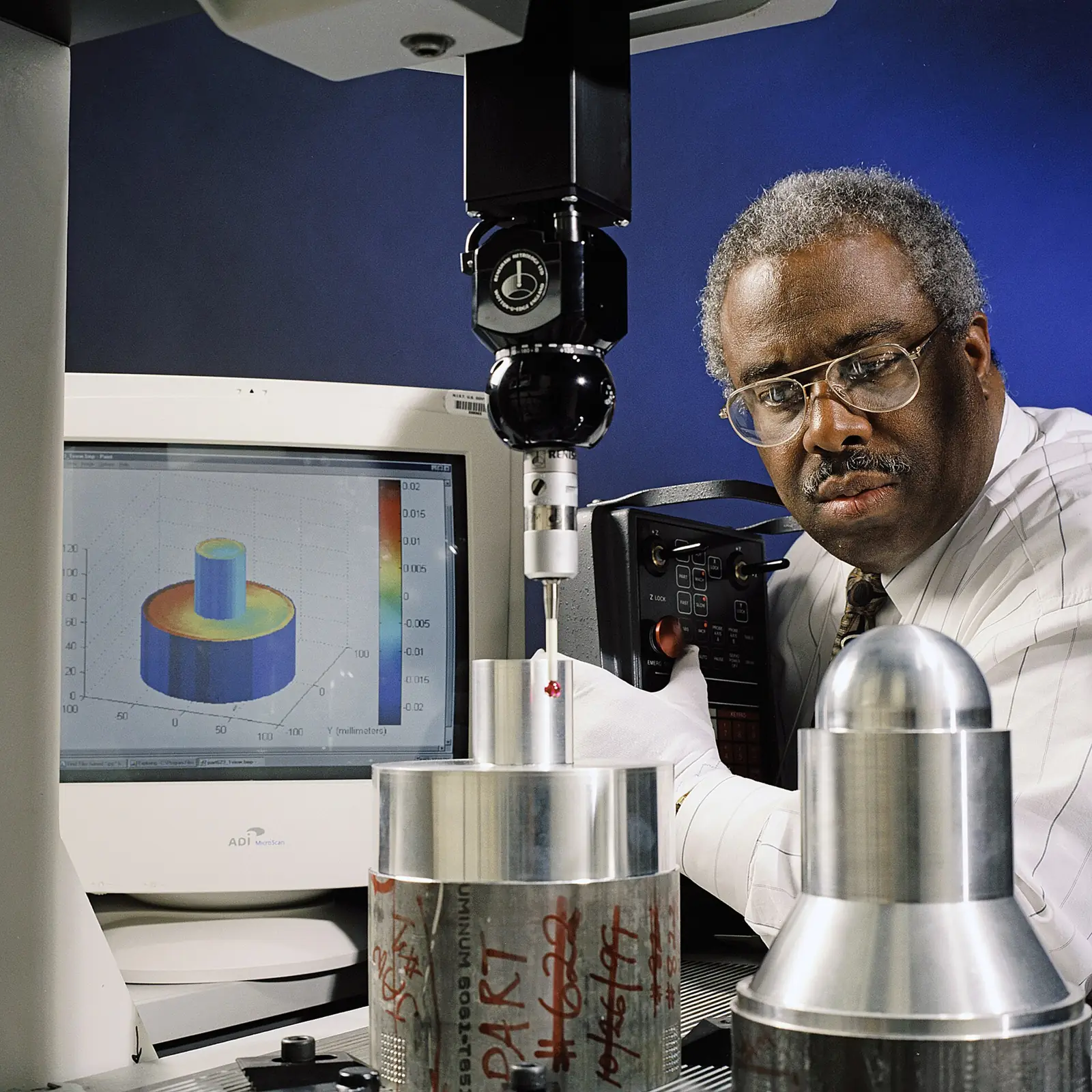
Dimensional Measurement
Vision-based measurement checks the dimensions of parts without touching them: lengths, diameters, hole positions, radii, gaps and profiles. Because it is fast, it can measure every part in-line instead of a sample in the lab, and every value is logged for statistical process control.
Learn more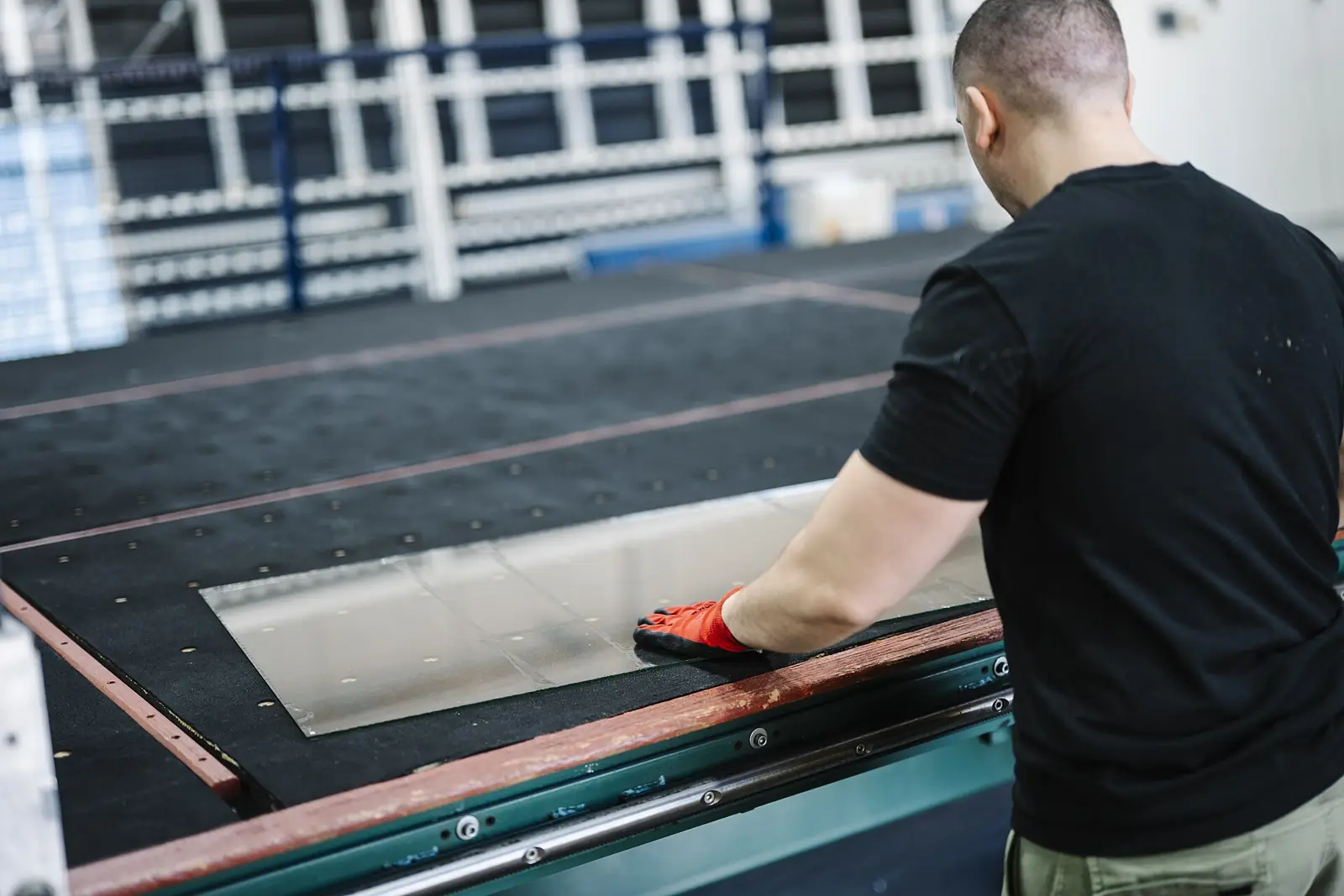
Surface Defect Inspection
Surface defect inspection uses carefully designed lighting and cameras to reveal scratches, dents, cracks, pores, stains and coating faults, then classifies them with rule-based tools or deep learning. It gives every part the same careful look, at production speed.
Learn more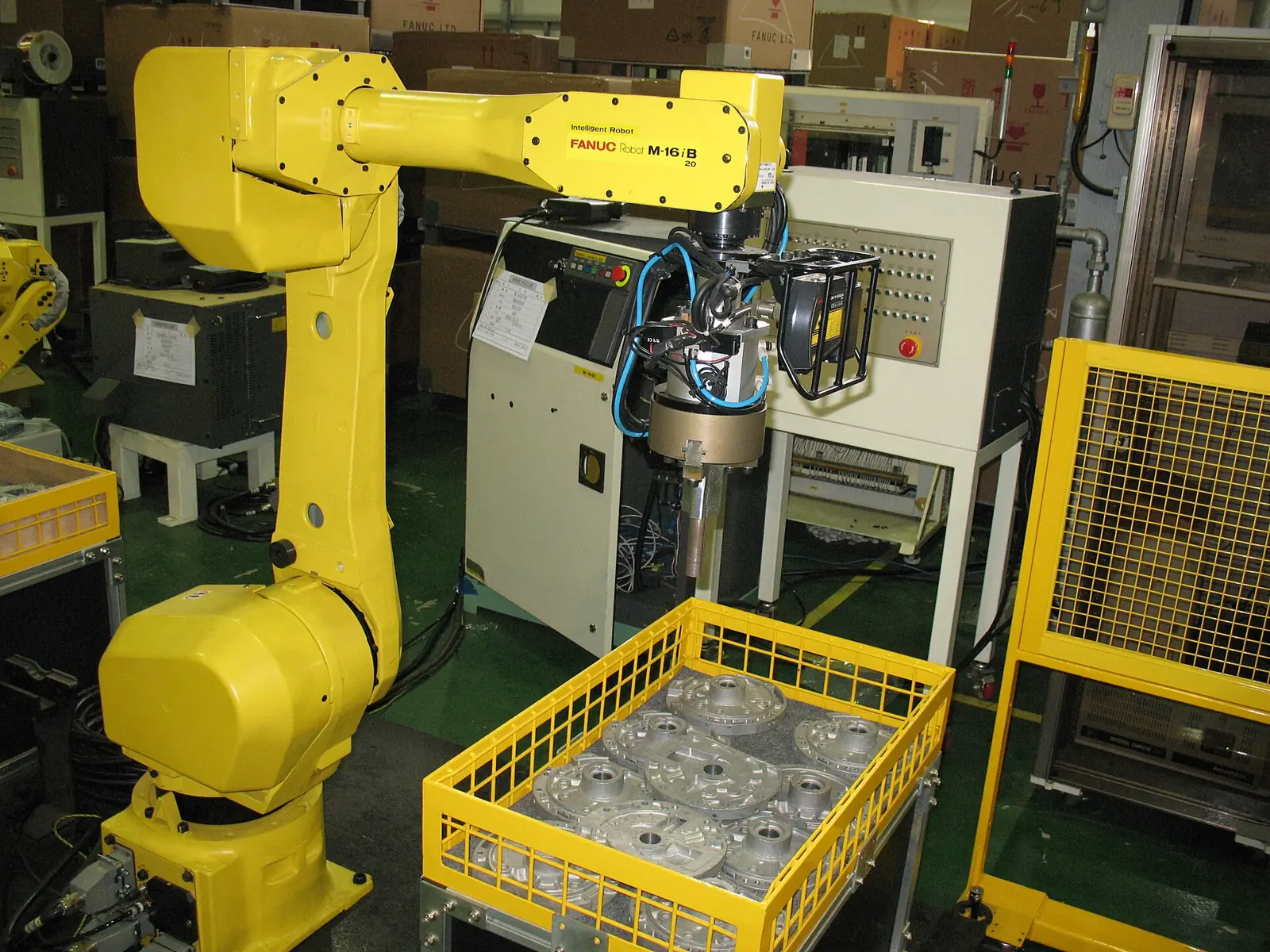
Vision-Guided Robotics
Vision-guided robotics uses 2D or 3D cameras to tell a robot exactly where each part is and how it is oriented, so the robot can pick parts that are not precisely positioned: off a moving conveyor, out of a tray, or jumbled in a bin. It removes the need for expensive fixtures and part feeders.
Learn more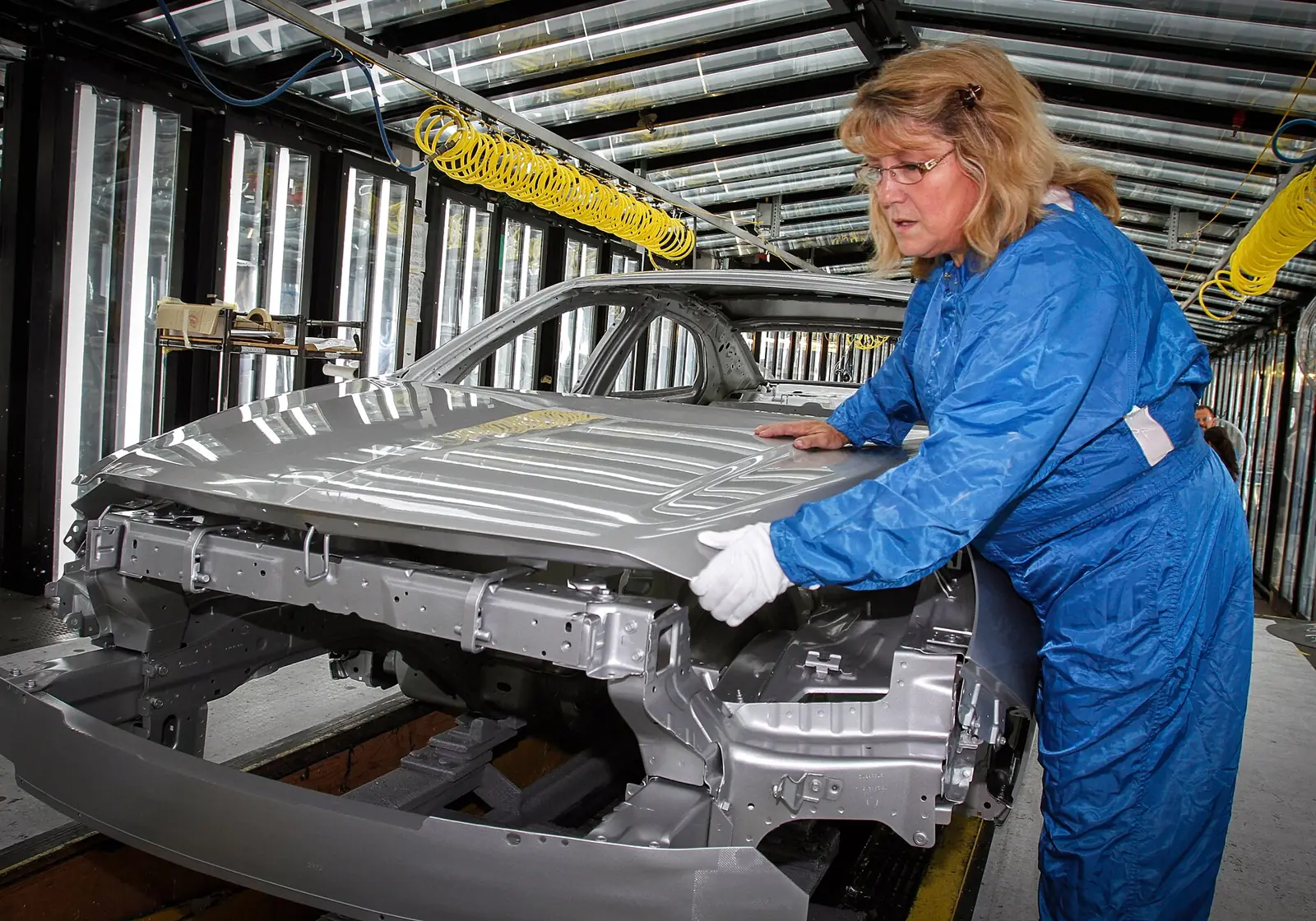
Assembly Verification
Assembly verification uses cameras at assembly stations to confirm every component is present, is the right variant, faces the right way and is fully seated before the product moves on. It is automated error-proofing, or poka-yoke, with a photo record of every unit.
Learn more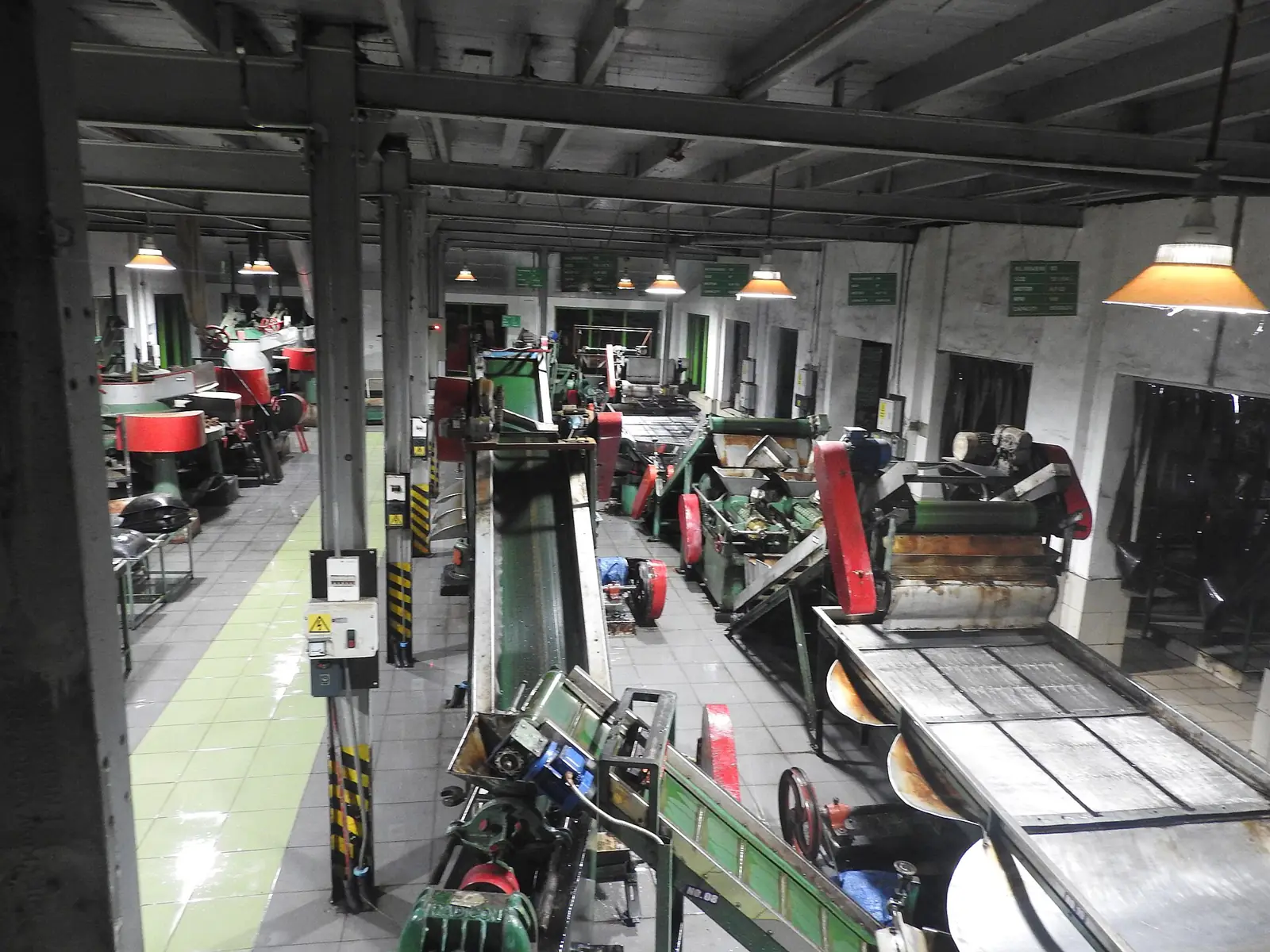
Food & Agricultural Grading
Machine vision grading uses colour, near-infrared and hyperspectral cameras to inspect food and agricultural products at high speed, removing stalks, stones, foreign matter and defective pieces with air jets, and grading the rest by colour and size. It brings consistent quality to products that vary by nature.
Learn more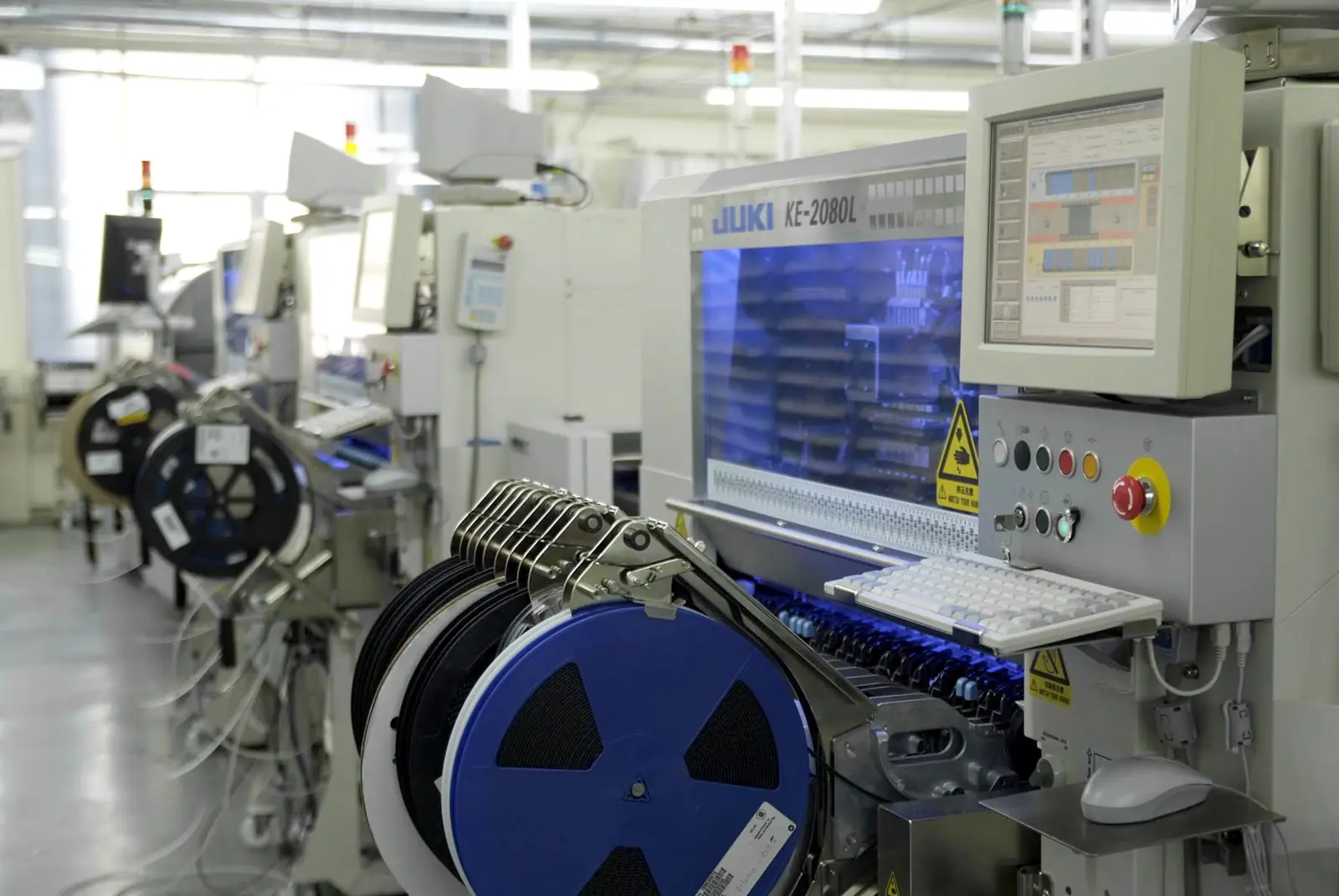
PCB & Electronics Inspection
Electronics inspection uses automated optical inspection (AOI) and solder paste inspection (SPI) to check printed circuit boards at each stage of assembly: paste deposits, component placement, polarity and solder joints. Faults are found while a board can still be reworked cheaply.
Learn more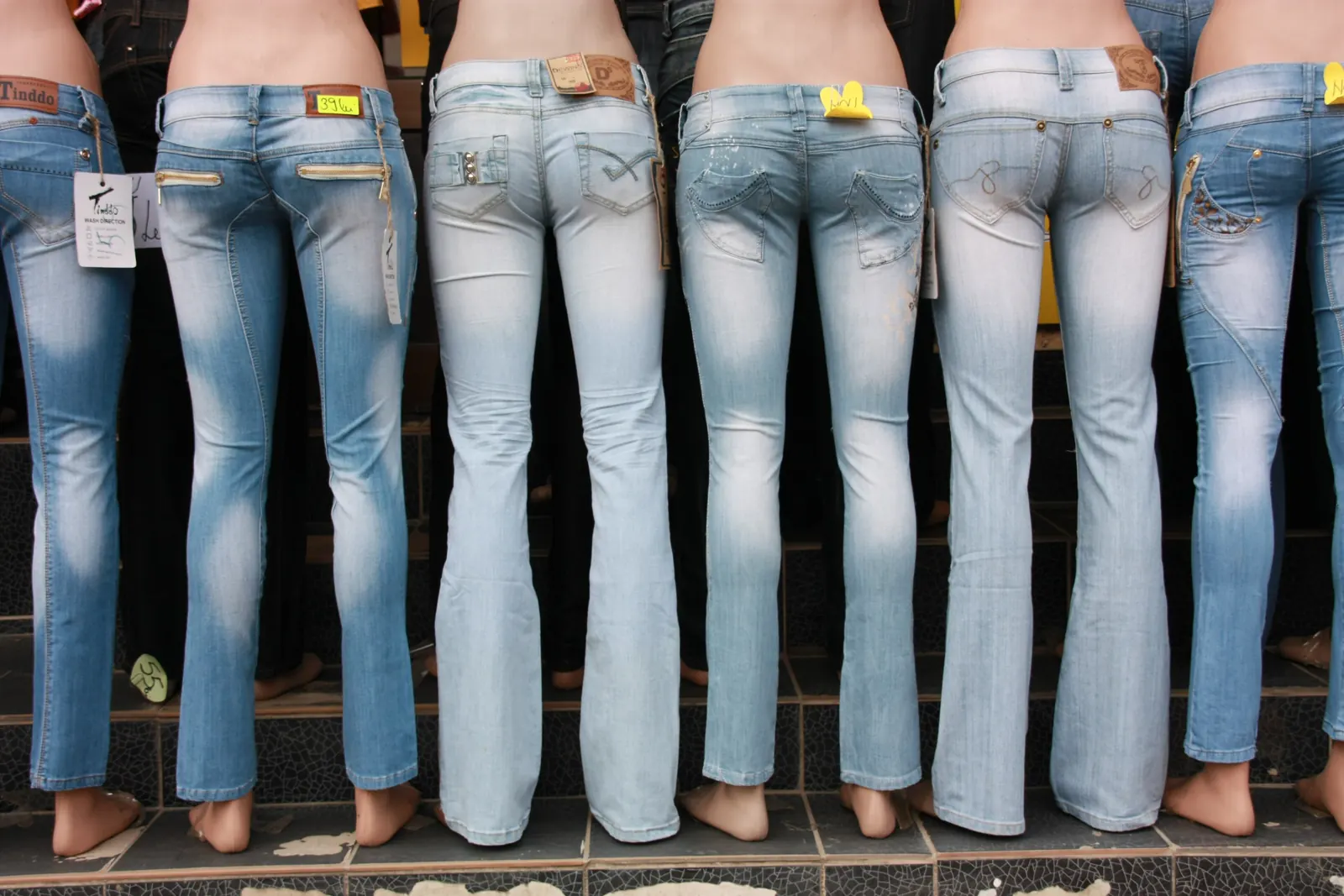
Shade Segregation
Sort fabric rolls, cut panels and washed garments into buyer shade bands with CIELAB measurement and 555 codes.
Learn moreTypes of machine vision systems
The right camera technology follows from the job. We select it during the feasibility study, not from a catalogue.
2D area-scan cameras
The workhorse of inspection: a single image of a part or scene for presence, reading, measurement and defect checks.
Line-scan cameras
Capture one line at a time to image continuous materials such as fabric, film, paper and sheet at any length.
3D vision
Laser triangulation, structured light, stereo or time-of-flight sensors measure height and shape for gauging, bin picking and volume.
Colour, NIR and hyperspectral
See colour precisely, or beyond the visible, to grade food, sort materials and detect foreign matter.
Smart cameras and code readers
Self-contained cameras with built-in processing for simple, high-volume checks and code reading.
PC-based and deep learning systems
Multiple cameras and GPU processing for complex inspection, deep learning and high data rates.
Built for Sri Lankan industry
Sri Lanka exports to some of the most demanding buyers in the world. Machine vision gives those buyers the consistency and evidence they ask for, from a local team that can be on site the same day.
Need the hardware only?
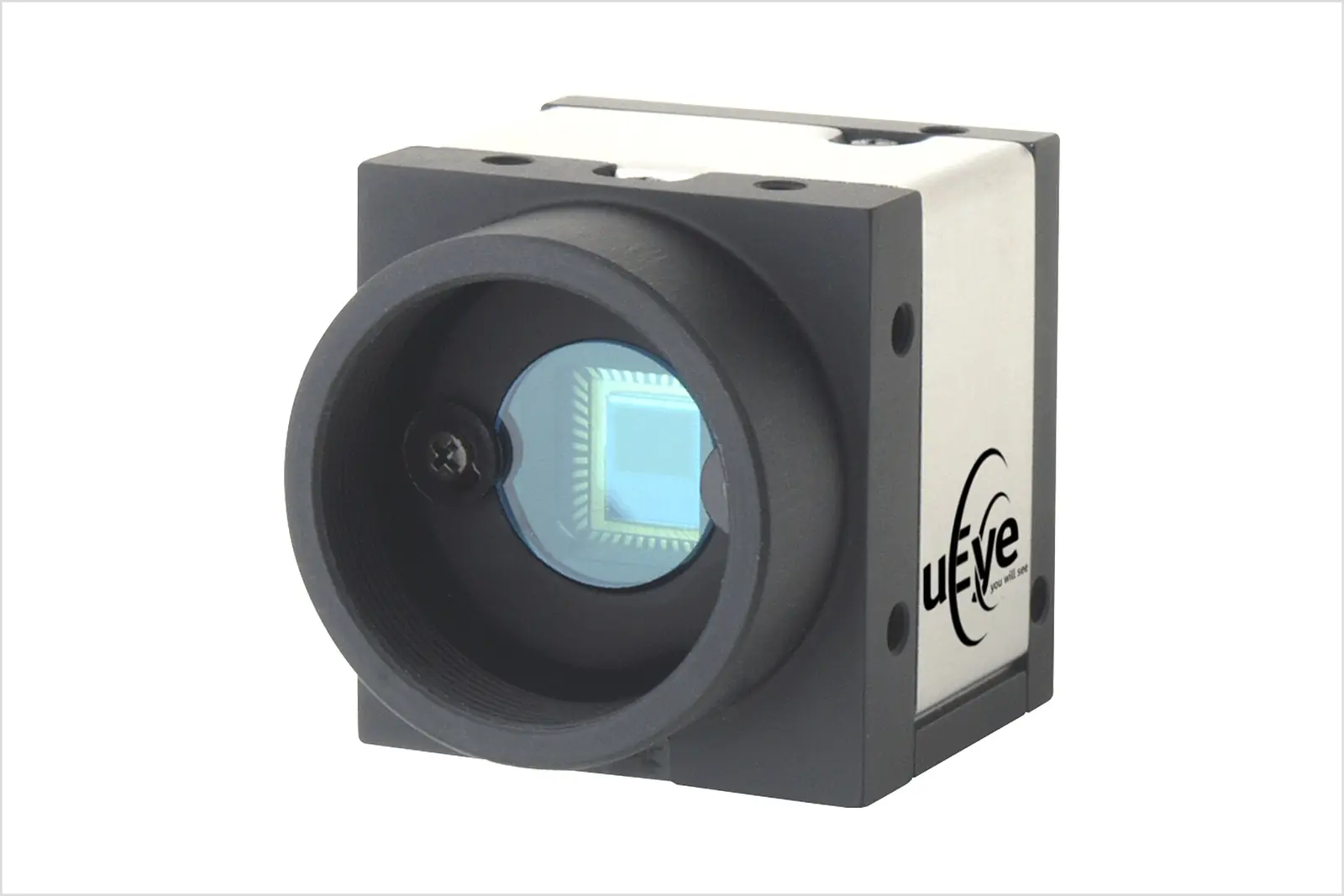
Our machine vision catalog lists industrial cameras, lenses, line-scan cameras and code readers, quoted with delivery to Sri Lanka.
Browse cameras and lensesEvidence first, then engineering
- PHASE 1
Discovery
A site visit to understand your product, line, quality criteria and where a check would pay back.
- PHASE 2
Feasibility study
We image your good and faulty samples and show what can be detected reliably. Go or no-go.
- PHASE 3
Pilot station
One station on one line, proven beside your inspectors before rollout.
- PHASE 4
Rollout and support
More stations, PLC and ERP integration, training and local support.
- Lighting, optics, cameras, software and integration from one team
- Integration with your PLCs, rejectors, robots and databases
- Local engineers in Sri Lanka for commissioning and support
Machine vision questions, answered
What is machine vision?
+
Machine vision is the use of industrial cameras, lighting and software to inspect, measure, identify or locate products automatically on a production line. The system captures an image, analyses it, and sends a decision to the line: accept or reject a part, record a code, or tell a robot where to pick.
What is the difference between machine vision and computer vision?
+
Computer vision is the broad field of making computers understand images. Machine vision is its industrial application: rugged cameras, controlled lighting and deterministic, fast decisions connected to production equipment such as PLCs, rejectors and robots.
What are the main parts of a machine vision system?
+
Lighting, a lens, a camera, a processor running the vision software, and input/output to the line. Lighting is often the most important part, because a defect that is not visible in the image cannot be detected by any software.
When should we use deep learning instead of rule-based vision?
+
Rule-based tools are ideal for measurements, code reading and predictable defects. Deep learning suits variable, cosmetic or natural-looking defects, textured surfaces and flexible parts, where writing explicit rules is impractical. Many systems combine both.
How do we know if machine vision will work for our product?
+
With a feasibility study. You send good and defective samples, we image them with suitable cameras and lighting, and show what can be detected reliably before any system is built. It is the cheapest way to de-risk a vision project.
Does Cerox supply the cameras and lenses?
+
Yes. Industrial cameras, lenses, line-scan cameras and code readers are available through the Cerox machine vision catalog with delivery to Sri Lanka, and we select the right hardware for each application.
Have something that needs checking?
Tell us what you inspect today and send a few samples. We will show you what a camera can reliably see, before you commit to anything.
Photographs show representative plants and equipment, not Cerox installations or client sites. Diagrams by Cerox Engineering. Photo credits, via Wikimedia Commons: Robotic palletising line by KUKA Roboter GmbH, Bachmann, Public domain; CMOS image sensor by Phiarc, CC BY-SA 4.0; Machine vision camera by Lg123456, CC BY-SA 4.0; Fabric inspection machine by Jamain, CC BY-SA 4.0; Barcode and QR code on packaging by Donald Trung Quoc Don, CC BY-SA 4.0; Bottling line by ChristianBier, CC BY-SA 3.0; Coordinate measuring machine by National Institute of Standards and Technology, Public domain; Metal sheet in production by Shixart1985, CC BY 2.0; Robot picking from a crate by Mixabest, CC BY-SA 3.0; Car body inspection by General Motors, CC BY 3.0; Tea factory, Nuwara Eliya by Yercaud-elango, CC BY-SA 4.0; SMT placement line by Megger Ltd., CC BY 3.0; Jeans in different washes by Lion Hirth, CC BY-SA 3.0.