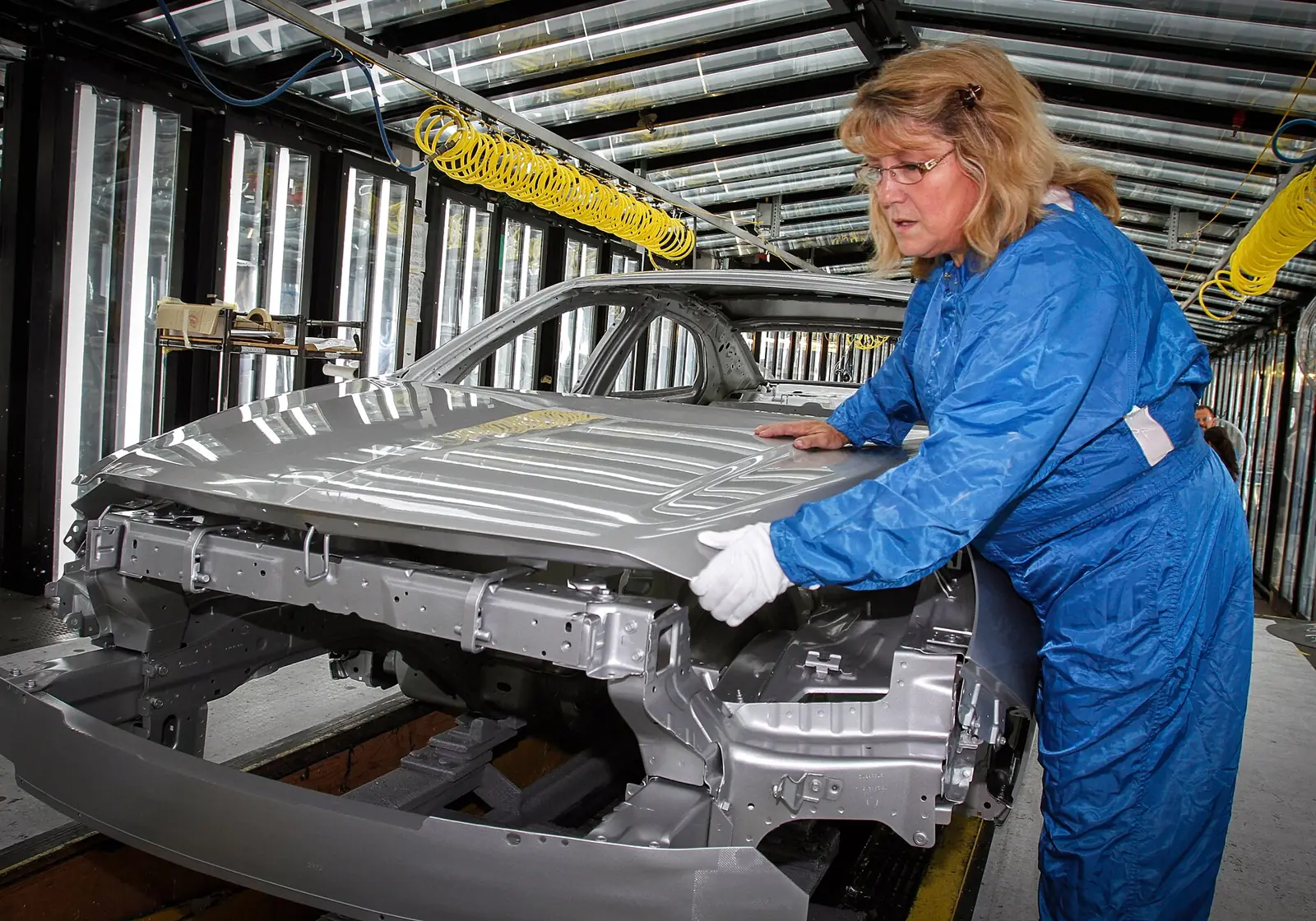
Worker inspecting a car body on an automotive assembly line
All machine vision applications
Machine Vision · Assembly

Assembly Verification and Error-Proofing

Assembly verification uses cameras at assembly stations to confirm every component is present, is the right variant, faces the right way and is fully seated before the product moves on. It is automated error-proofing, or poka-yoke, with a photo record of every unit.

Assembly Verification at a glance

What it confirms
Presence, correct variant, orientation, count, seating of connectors and clips, screws and fasteners.
Where it sits
At or after each assembly station, often interlocked so the next step cannot start until it passes.
How it decides
Pattern matching and deep learning against the correct assembly for the variant being built.
What you get
Mistakes stopped at the station that made them, and an image archive for every serial number.
Definition

What is assembly verification?

Assembly verification is the check that an assembly has been built correctly: every part there, the right part for this model, facing the right way and properly fitted. Done by people at the end of the line, it is slow and misses things; done by cameras at each station, it catches errors while they are cheap to fix.

In lean manufacturing this is called poka-yoke, or mistake-proofing: designing the process so that an error cannot pass unnoticed.

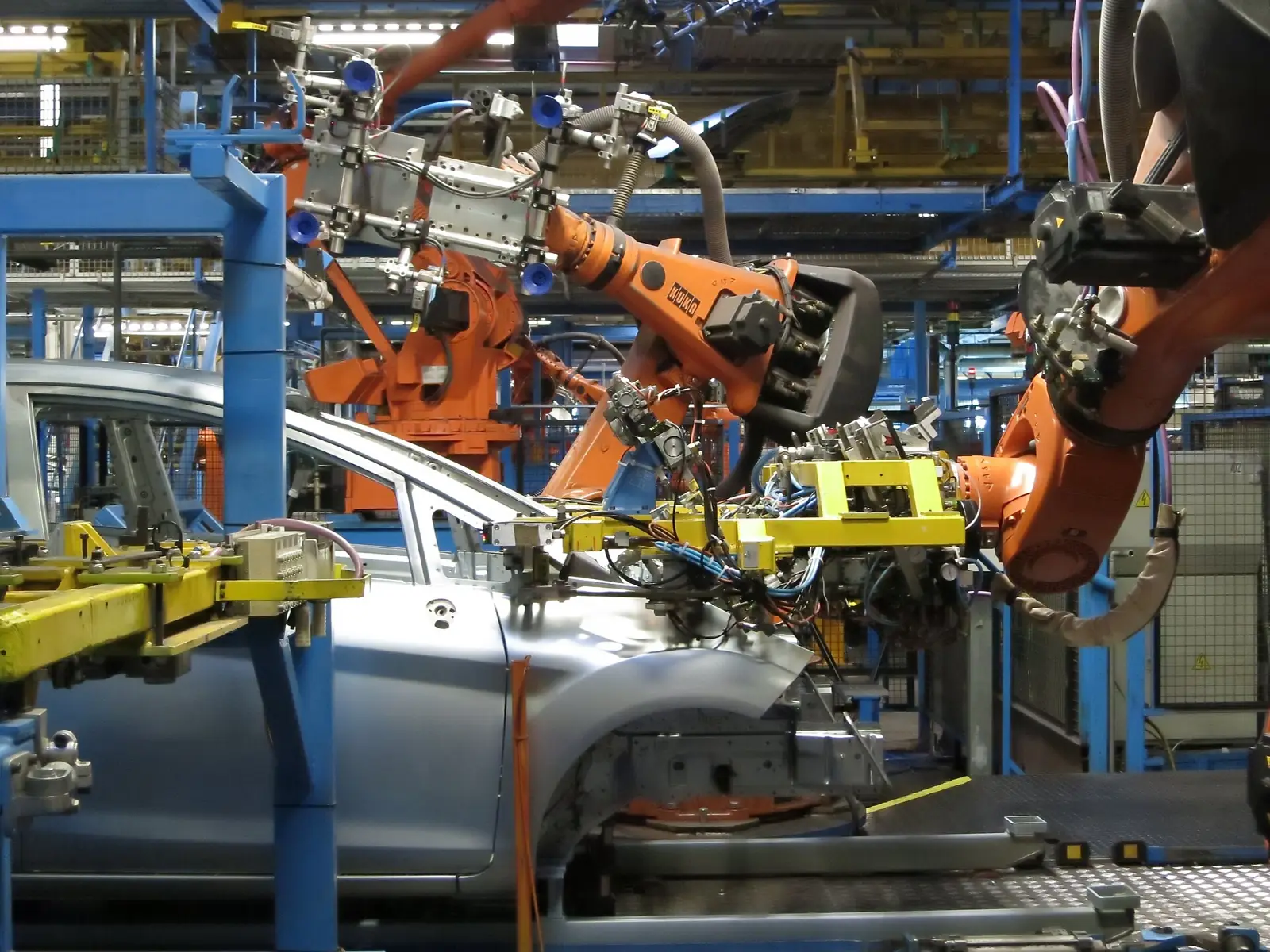
Robots working on car bodies along an automotive assembly line
On a modern assembly line every station is a place where a vision check can stop an error before value is added on top of it.
The problem

Why assembly errors escape

  • Missing clips, screws or labels are easy to overlook and hard to see once covered.
  • Similar-looking variants make the wrong part an easy mistake.
  • End-of-line inspection finds errors after more value has been added.
  • Warranty returns trace back to a single missed step.
  • Without images, disputes about what was shipped are hard to settle.
How it works

How assembly verification works, step by step

STEP 1IdentifySTEP 2ImageSTEP 3VerifySTEP 4InterlockSTEP 5Archive
  1. STEP 1

    Know what is being built

    The station reads the product serial or order so it knows which variant and which parts to expect.

  2. STEP 2

    Capture the assembly

    Cameras capture the assembly after each critical step, from as many angles as needed.

  3. STEP 3

    Check every feature

    Each component is checked for presence, correct type, orientation and seating.

  4. STEP 4

    Stop the error

    A failure lights the station and blocks the next step until the mistake is corrected.

  5. STEP 5

    Keep the record

    Images and results are stored against the serial number for traceability and warranty claims.

The technology

Methods that make it reliable

Presence and absence checks

Simple, fast tools confirm that a component, screw, clip or label is where it should be.

Variant recognition

Pattern matching and colour tools distinguish look-alike parts, and the expected variant is taken from the order.

Deep learning checks

Handles features that vary in appearance, such as cables, hoses and flexible parts, where rules are hard to write.

Station interlocks

The vision result is wired to the station controller, so a failed check physically prevents the next operation.

Capabilities

What it can check

  • Component present
  • Correct part variant
  • Orientation and polarity
  • Screws and fasteners
  • Clips and connectors seated
  • Cable and hose routing
  • Labels and serials
  • Part counts in kits
  • Final visual check
Industries

Where it is used

Automotive componentsElectrical and electronicsAppliancesMedical devicesMachineryConsumer products
Sample projects

How a project is scoped

Two example project scopes showing how the station, the checks and the outputs are defined. Every plant is different, so the final configuration is confirmed after a feasibility study on your own parts.

Example scope · Wiring harness

Connector and clip verification

The situation: A harness maker has had warranty returns traced to unseated connectors.

Station
Camera over the assembly board at the final check
Checks
Every connector present, fully seated, clips and labels in place
Output
Pass releases the harness, fail lights the faulty position
Extra
Image saved against each harness serial number
Example scope · Kitting

Kit completeness before dispatch

The situation: A spare parts packer ships kits and receives complaints about missing items.

Station
Camera over the packing table
Checks
Each item in the kit present and correct for the order
Output
Box cannot be sealed until the kit is complete
Extra
Photo of every packed kit for dispute resolution
What is in the system

Typical components

  • Smart cameras or area-scan cameras
  • Ring and bar lights
  • Barcode reader for serial or order
  • Station lights and interlock I/O
  • Operator display
  • Image archive by serial number

Cameras and lenses, supplied locally

Industrial cameras, lenses, line-scan cameras and code readers are available through our machine vision catalog, quoted with delivery to Sri Lanka. We select the hardware for your application during the feasibility study.

Browse the hardware catalog
How we work

Proven on your parts before you commit

Every product, surface and line behaves differently under a camera, so every project starts with evidence from your own material.

  1. PHASE 1

    Discovery

    A site visit to understand your product, line speed, quality criteria and where the check should sit.

  2. PHASE 2

    Feasibility study

    We image your good and defective samples and show what the system can reliably detect. This is the go or no-go.

  3. PHASE 3

    Pilot station

    One station on one line, running beside your inspectors until results match and your team trusts them.

  4. PHASE 4

    Rollout and support

    More lines, integration with your PLC and systems, and local support from our Sri Lankan engineering team.

FAQ

Assembly Verification: common questions

What is poka-yoke?

+

Poka-yoke is a Japanese term meaning mistake-proofing. It describes designing a process so that errors are prevented or detected immediately. A vision check with a station interlock is a common poka-yoke in assembly.

Can vision tell apart similar-looking part variants?

+

Usually, yes, using shape, colour, markings or labels. The system also knows which variant is being built from the order or serial number, so it checks for the specific part that should be there.

Does it slow down the operator?

+

No. A check takes a fraction of a second. Operators typically see a green or red light and only act when something is wrong.

Can it check cables and flexible parts?

+

Yes. Flexible parts vary in appearance, so deep learning is often used to recognise correct routing and seating where rule-based tools struggle.

Why keep images of every assembly?

+

An image archive by serial number shows exactly how each unit was built. It settles warranty disputes quickly and helps engineers trace field failures to their cause.

Send us a few sample parts

Tell us what you need to check and share some good and faulty samples. We will show you what a camera can reliably see before you commit to anything.

Photographs show representative plants and equipment, not Cerox installations or client sites. Diagrams by Cerox Engineering. Photo credits, via Wikimedia Commons: Car body inspection by General Motors, CC BY 3.0; Robotic assembly line by GillyBerlin, CC BY 2.0.